
Cameras aboard JAMSTEC's Hyper-Dolphin ROV have captured footage of something strange lurking on the floor of Sagami Bay, southwest of Tokyo.
+ Video
Giant sea frog? Ningen? Smiling rock with sea sponge eyes? You be the judge.
Cameras aboard JAMSTEC's Hyper-Dolphin ROV have captured footage of something strange lurking on the floor of Sagami Bay, southwest of Tokyo.
+ Video
Giant sea frog? Ningen? Smiling rock with sea sponge eyes? You be the judge.
Here is a selection of old anatomical illustrations that provide a unique perspective on the evolution of medical knowledge in Japan during the Edo period (1603-1868).
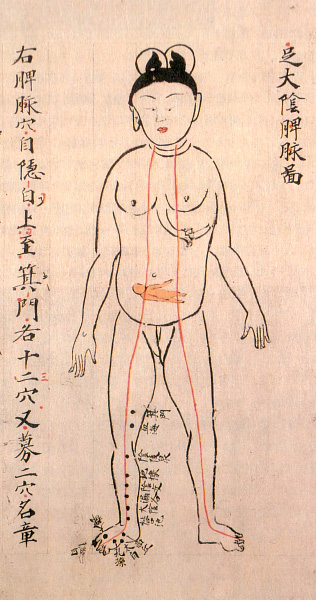
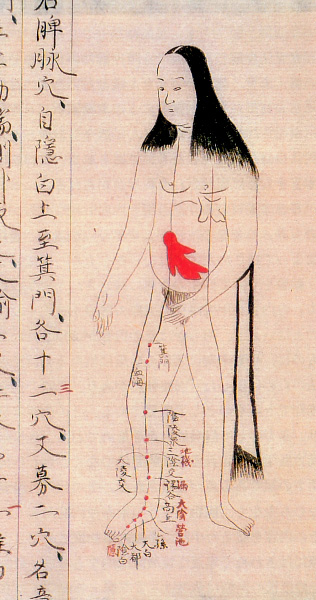
Pregnancy illustrations, circa 1860
These pregnancy illustrations are from a copy of Ishinhō, the oldest existing medical book in Japan. Originally written by Yasuyori Tanba in 982 A.D., the 30-volume work describes a variety of diseases and their treatment. Much of the knowledge presented in the book originated from China. The illustrations shown here are from a copy of the book that dates to about 1860.
* * * * *
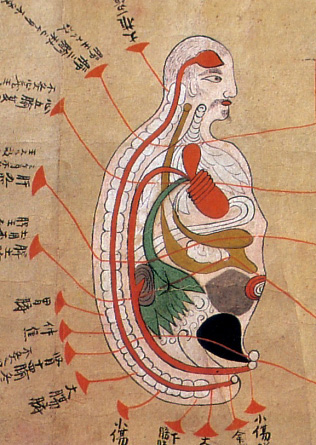
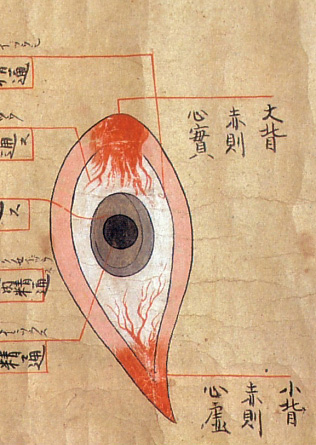
Anatomical illustrations, late 17th century [+]
These illustrations are from a late 17th-century document based on the work of Majima Seigan, a 14th-century monk-turned-doctor. According to legend, Seigan had a powerful dream one night that the Buddha would bless him with knowledge to heal eye diseases. The following morning, next to a Buddha statue at the temple, Seigan found a mysterious book packed with medical information. The book allegedly enabled Seigan to become a great eye doctor, and his work contributed greatly to the development of ophthalmology in Japan in the 16th and 17th centuries.
* * * * *
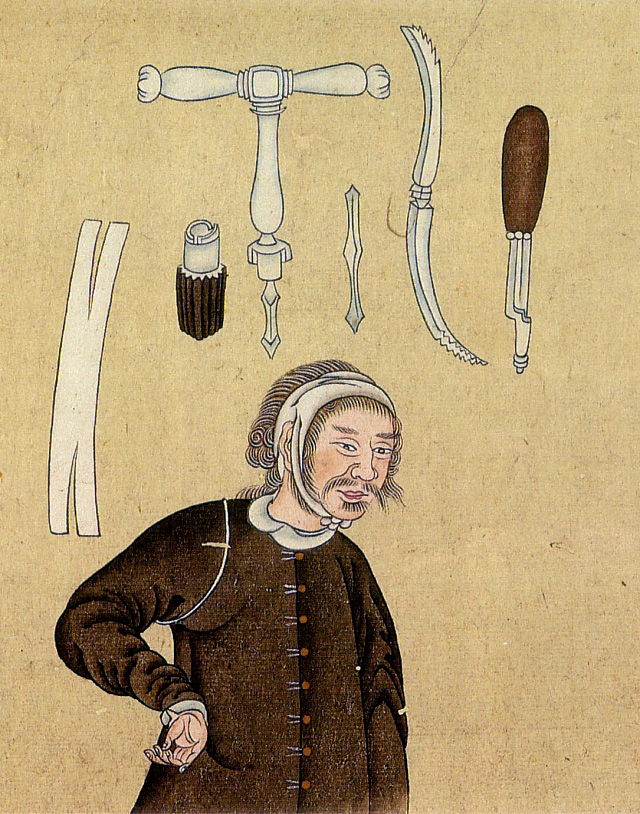
Trepanning instruments, circa 1790 [+]
These illustrations are from a book on European medicine introduced to Japan via the Dutch trading post at Nagasaki. Pictured here are various trepanning tools used to bore holes in the skull as a form of medical treatment.
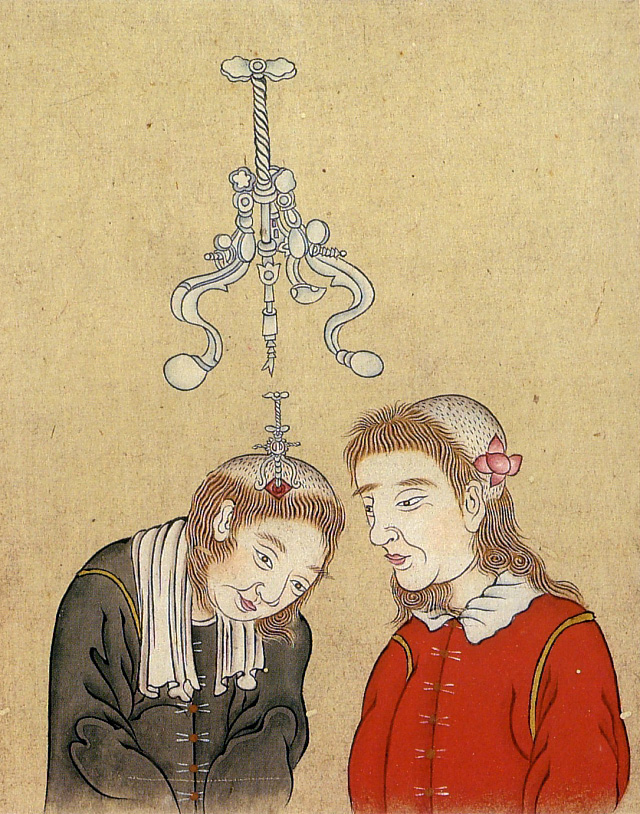
Trepanning instruments, circa 1790 [+]
The book was written by Kōgyū Yoshio, a top official interpreter of Dutch who became a noted medical practitioner and made significant contributions to the development of Western medicine in Japan.
* * * * *
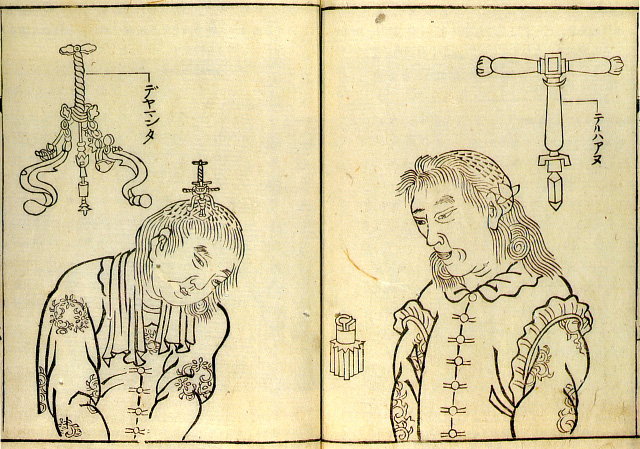
Trepanning instruments, 1769 [+]
These illustrations of trepanning instruments appeared in an earlier book on the subject.
* * * * *
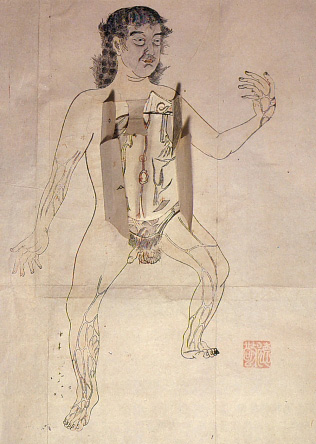
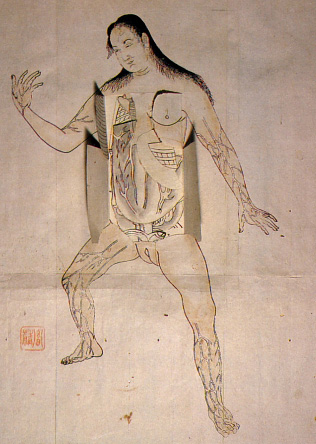
Anatomical illustrations (artist/date unknown) [+]
These anatomical illustrations are based on those found in Pinax Microcosmographicus, a book by German anatomist Johann Remmelin (1583-1632) that entered Japan via the Dutch trading post at Nagasaki.
* * * * *
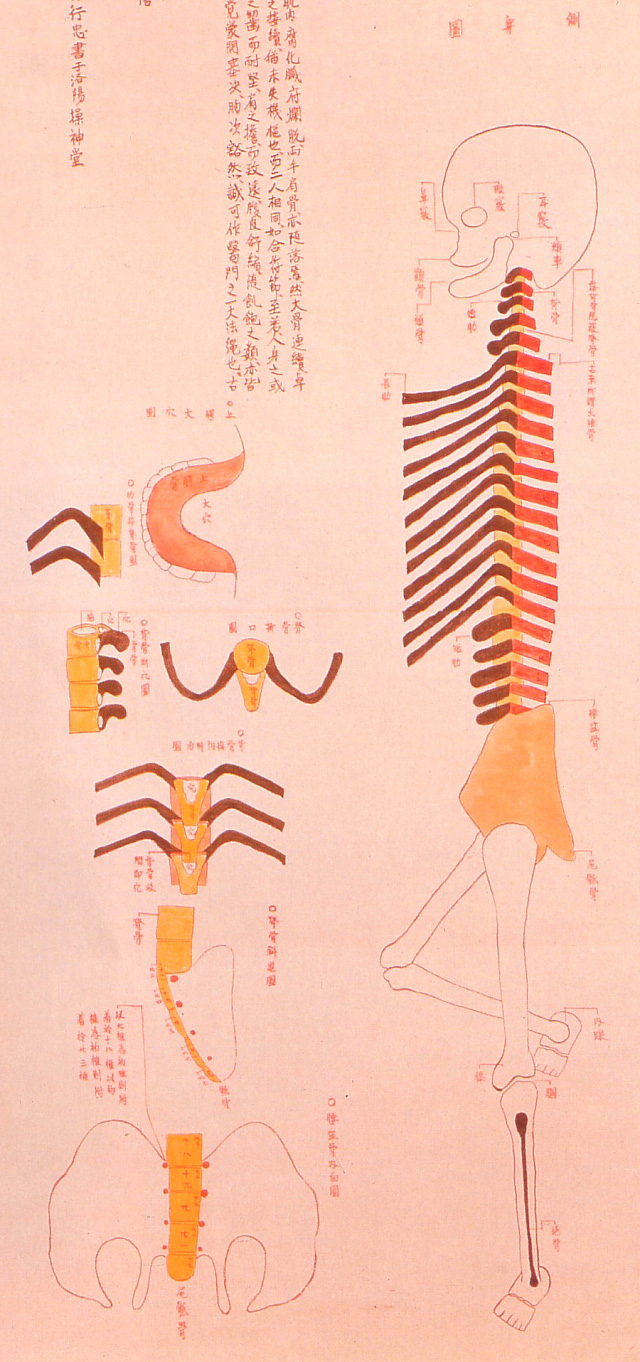
Human skeleton, 1732
These illustrations -- created in 1732 for an article published in 1741 by an ophthalmologist in Kyōto named Toshuku Negoro -- show the skeletal remains of two criminals that had been burned at the stake.
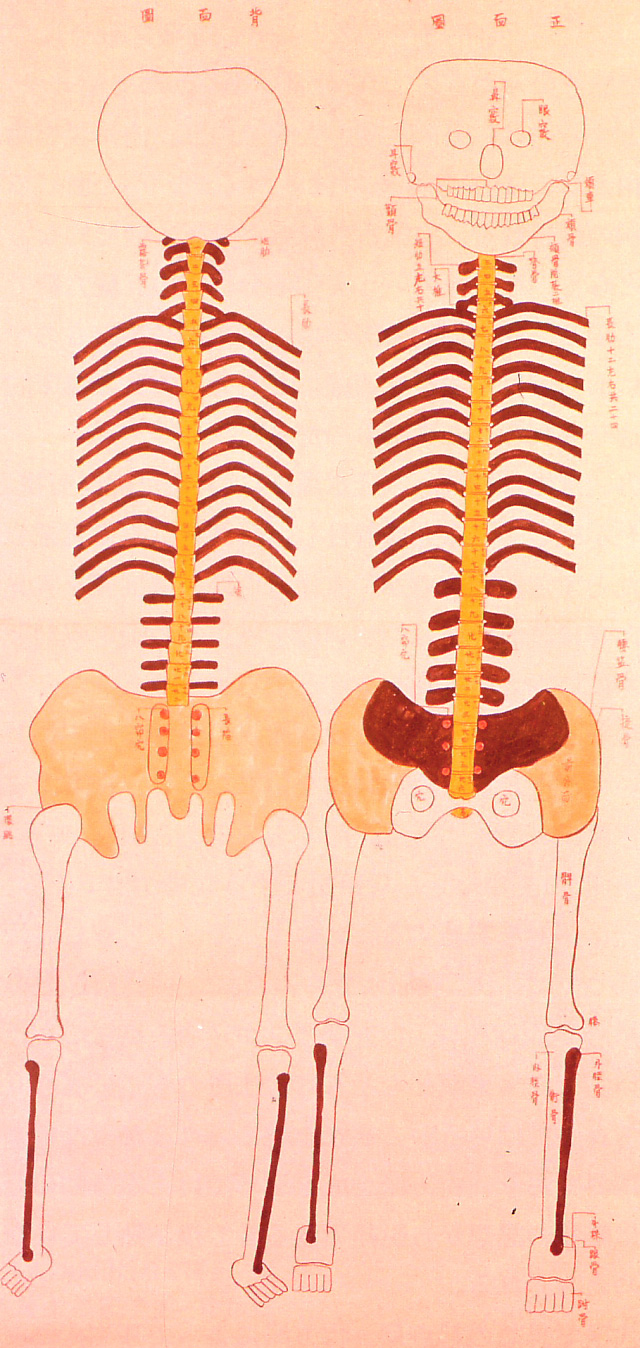
Human skeleton, 1732
This document is thought to have inspired physician Tōyō Yamawaki to conduct Japan's first recorded human dissection.
* * * * *
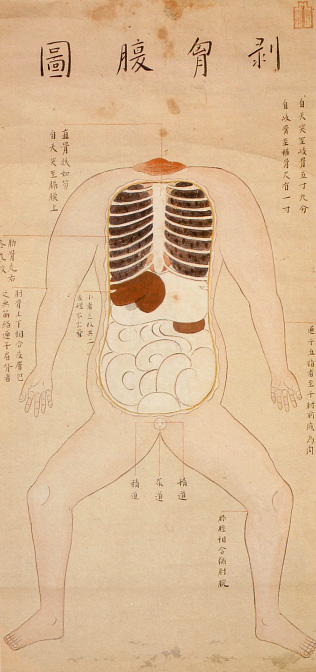
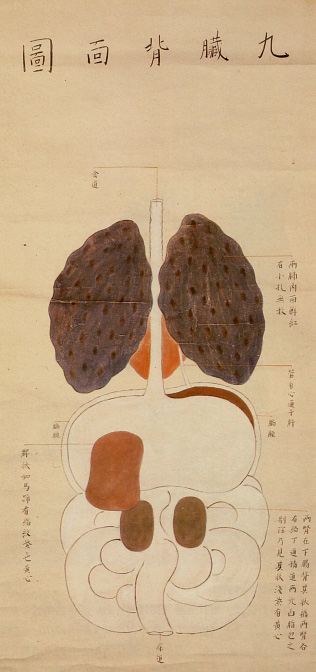
Japan's first recorded human dissection, 1754
These illustrations are from a 1754 edition of a book entitled Zōzu, which documented the first human dissection in Japan, performed by Tōyō Yamawaki in 1750. Although human dissection had previously been prohibited in Japan, authorities granted Yamawaki permission to cut up the body of an executed criminal in the name of science.
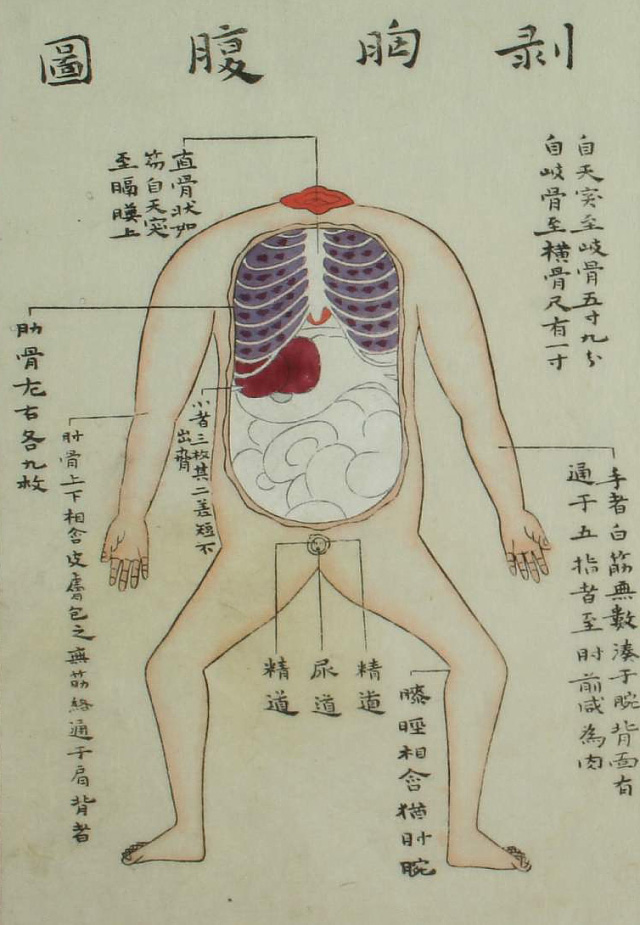
Illustration from 1759 edition of Zōzu
The actual carving was done by a hired assistant, as it was still considered taboo for certain classes of people to handle human remains.
* * * * *
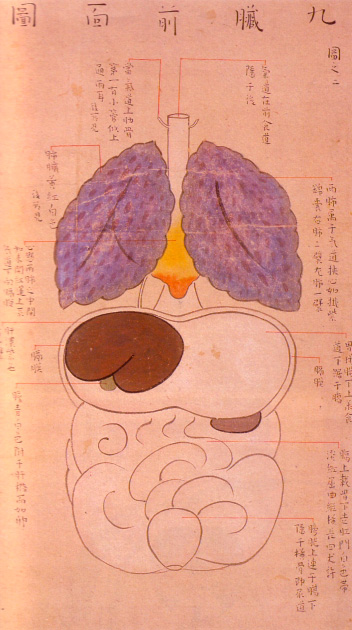
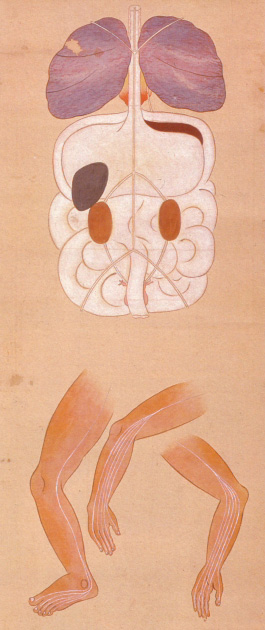
Japan's second human dissection, 1758 // First human female dissection, 1759
In 1758, a student of Tōyō Yamawaki's named Kōan Kuriyama performed Japan's second human dissection (see illustration on left). The following year, Kuriyama produced a written record of Japan's first dissection of a human female (see illustration on right). In addition to providing Japan with its first real peek at the female anatomy, this dissection was the first in which the carving was performed by a doctor. In previous dissections, the cutting work was done by hired assistants due to taboos associated with handling human remains.
* * * * *
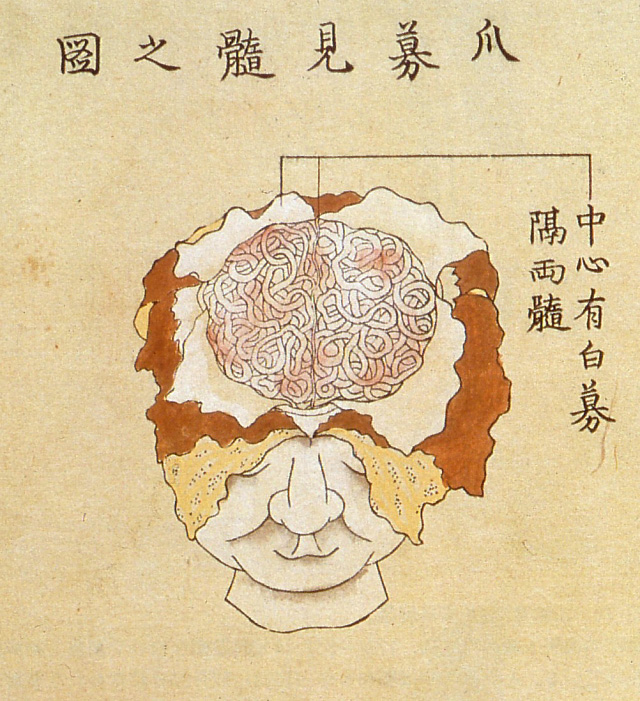
Kaishihen (Dissection Notes), 1772
Japan's fifth human dissection -- and the first to examine the human brain -- was documented in a 1772 book by Shinnin Kawaguchi, entitled Kaishihen (Dissection Notes). The dissection was performed in 1770 on two cadavers and a head received from an execution ground in Kyōto.
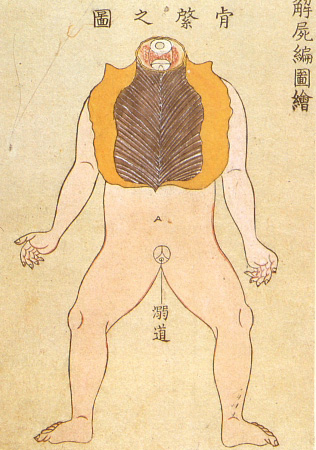
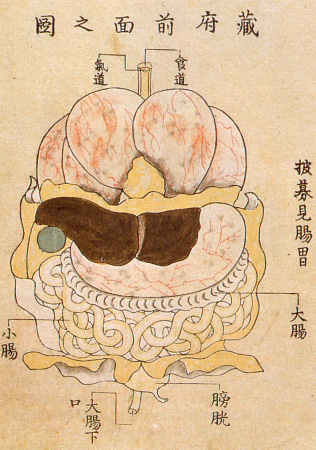
Kaishihen (Dissection Notes), 1772
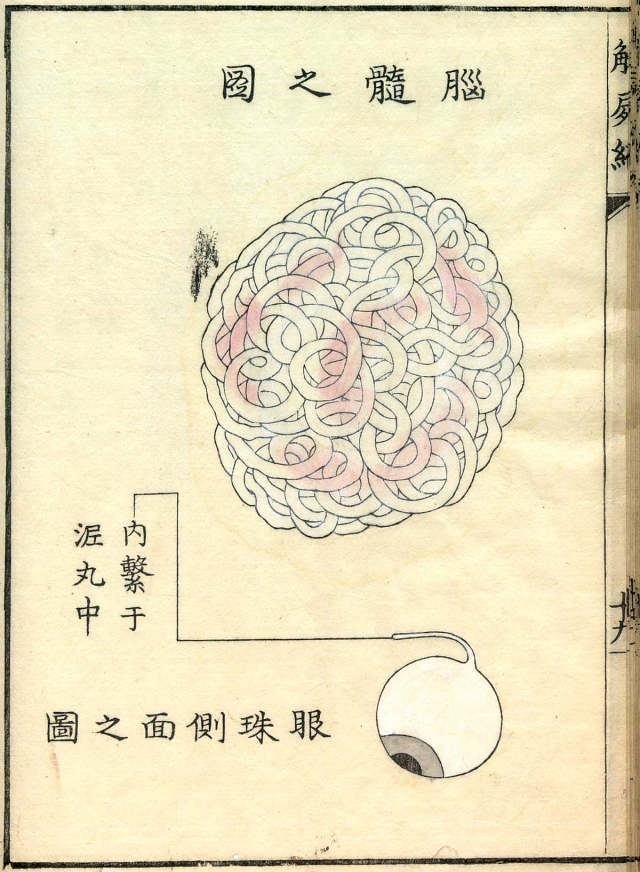
Kaishihen (Dissection Notes), 1772
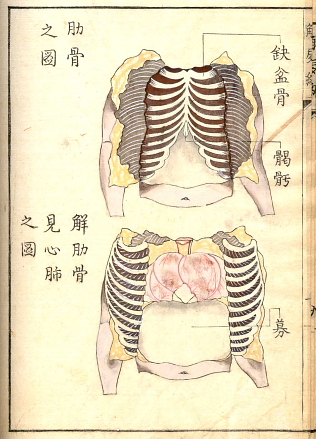
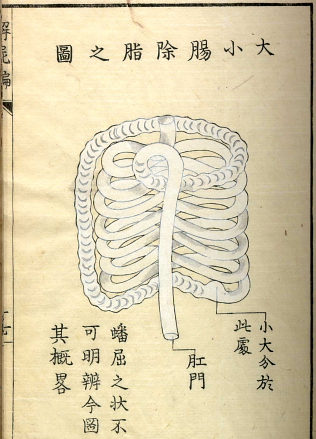
Kaishihen (Dissection Notes), 1772
* * * * *
Tōmon Yamawaki, son of Tōyō Yamawaki, followed in his father's footsteps and performed three human dissections.
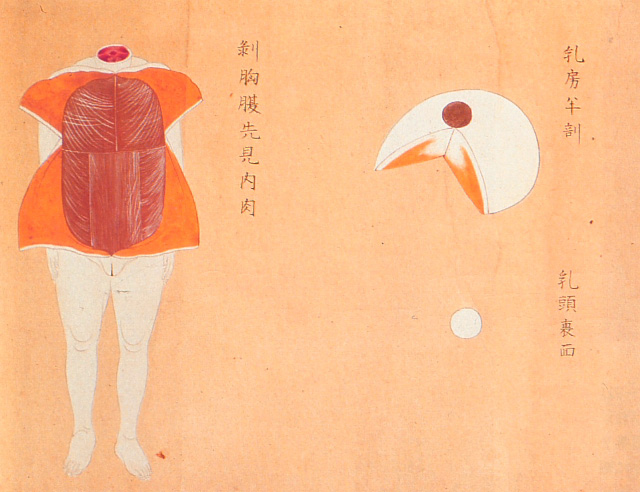
Female dissection, 1774
He conducted his first one in 1771 on the body of a 34-year-old female executed criminal. The document, entitled Gyokusai Zōzu, was published in 1774.
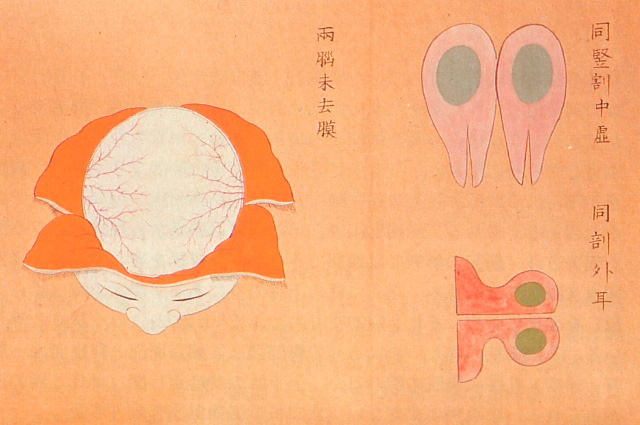
Female dissection, 1774
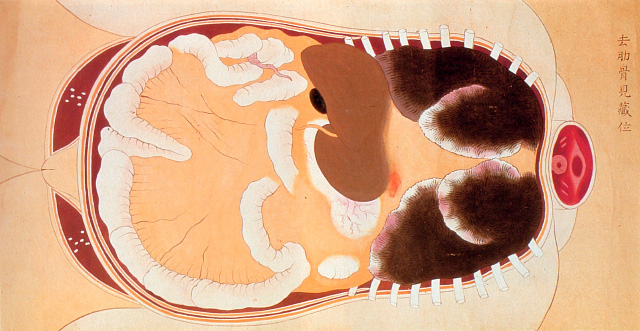
Female dissection, 1774
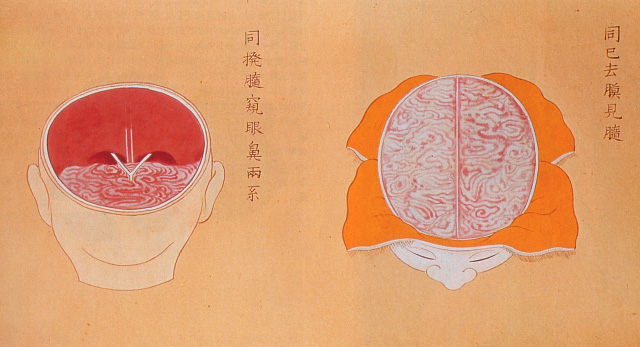
Female dissection, 1774
* * * * *
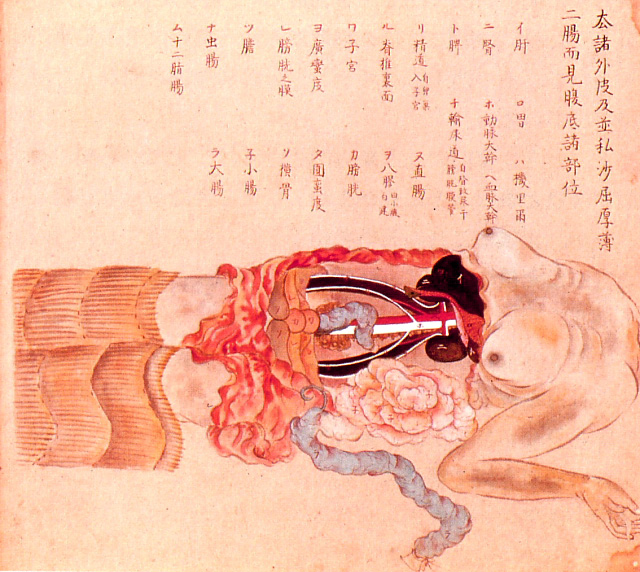
Female dissection, 1800
These illustrations are from a book by Bunken Kagami (1755-1819) that documents the dissection of a body belonging to a female criminal executed in 1800.
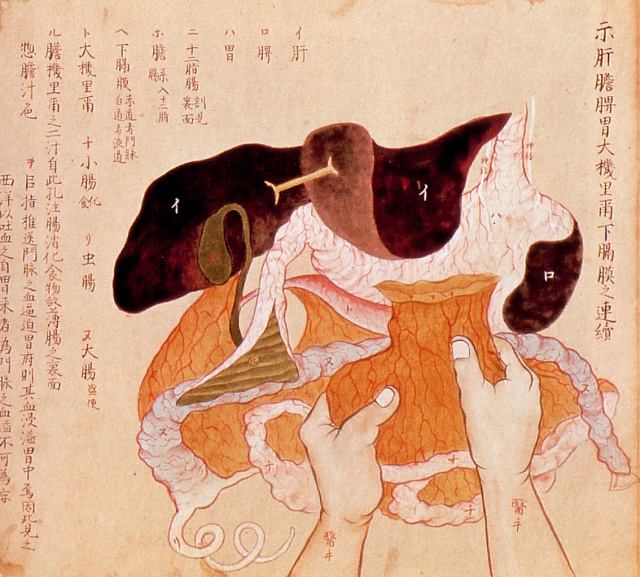
Female dissection, 1800
* * * * *
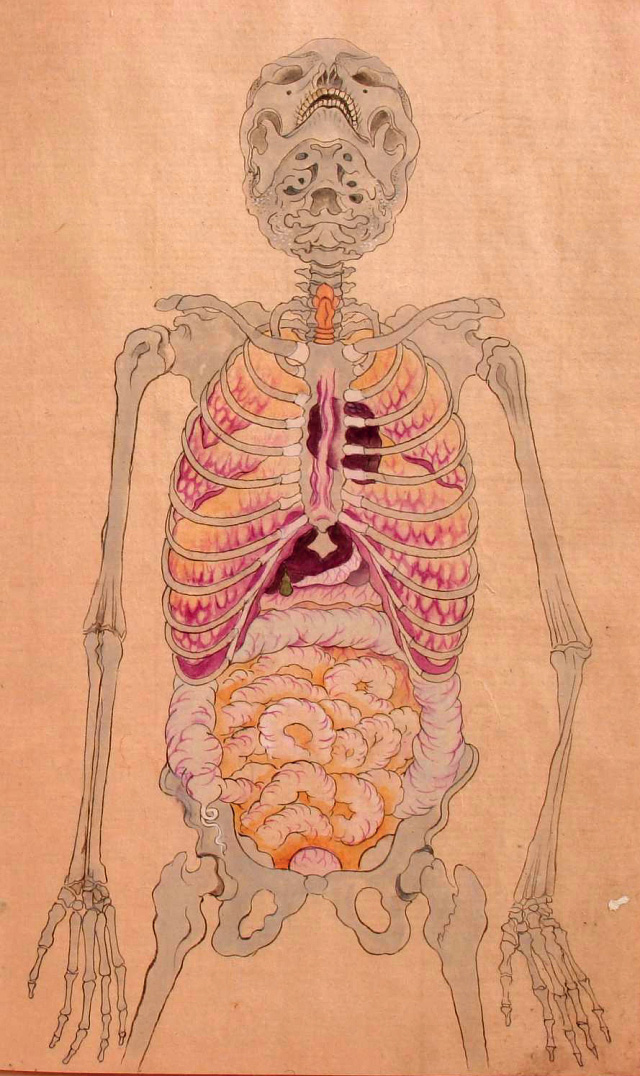
Human anatomy (date unknown)
This anatomical illustration is from the book Kanshin Biyō, by Bunken Kagami.
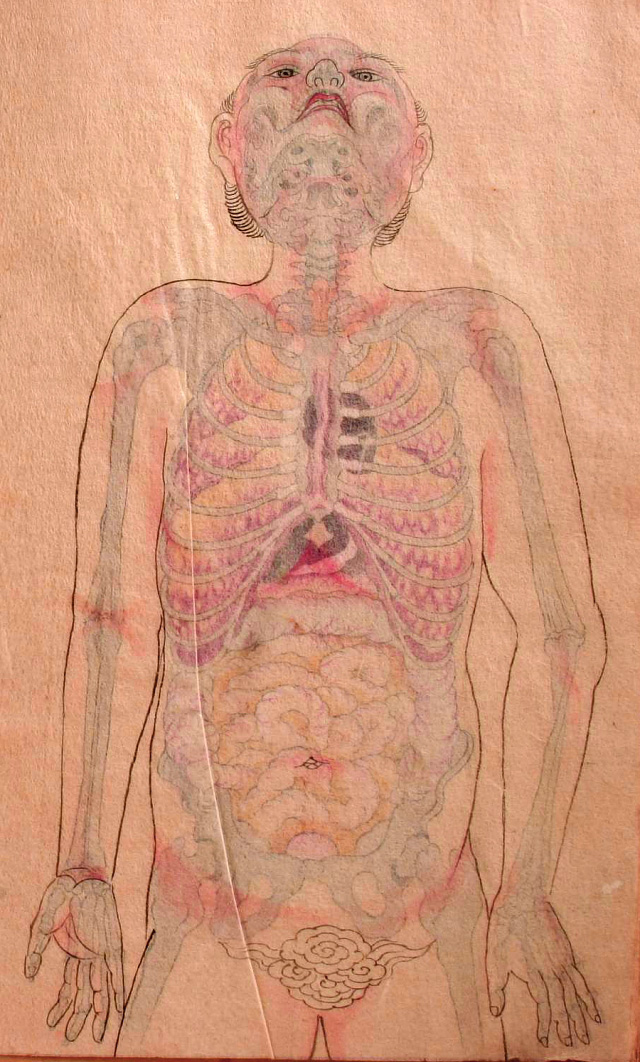
Human anatomy (date unknown)
In this image, a sheet of transparent paper showing the outline of the body is placed over the anatomical illustration.
* * * * *
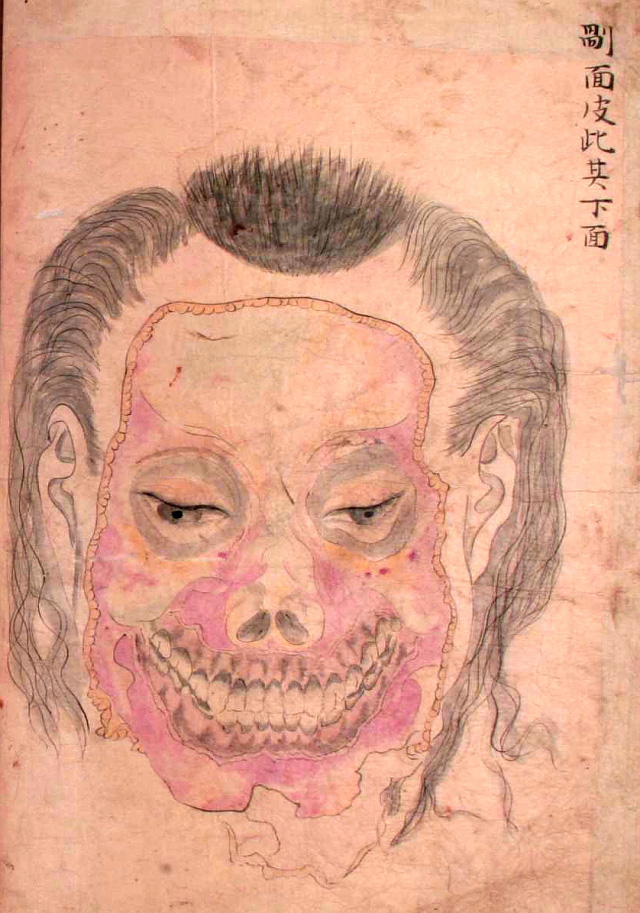
Seyakuin Kainan Taizōzu (circa 1798)
These illustrations are from the book entitled Seyakuin Kainan Taizōzu, which documents the dissection of a 34-year-old criminal executed in 1798. The dissection team included the physicians Kanzen Mikumo, Ranshū Yoshimura, and Genshun Koishi.
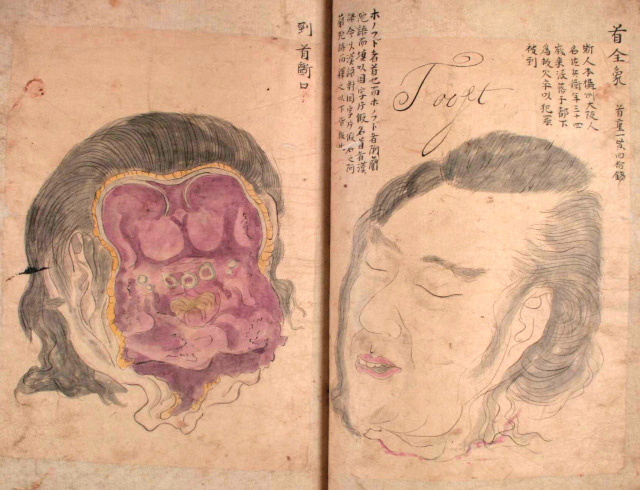
Seyakuin Kainan Taizōzu (circa 1798)
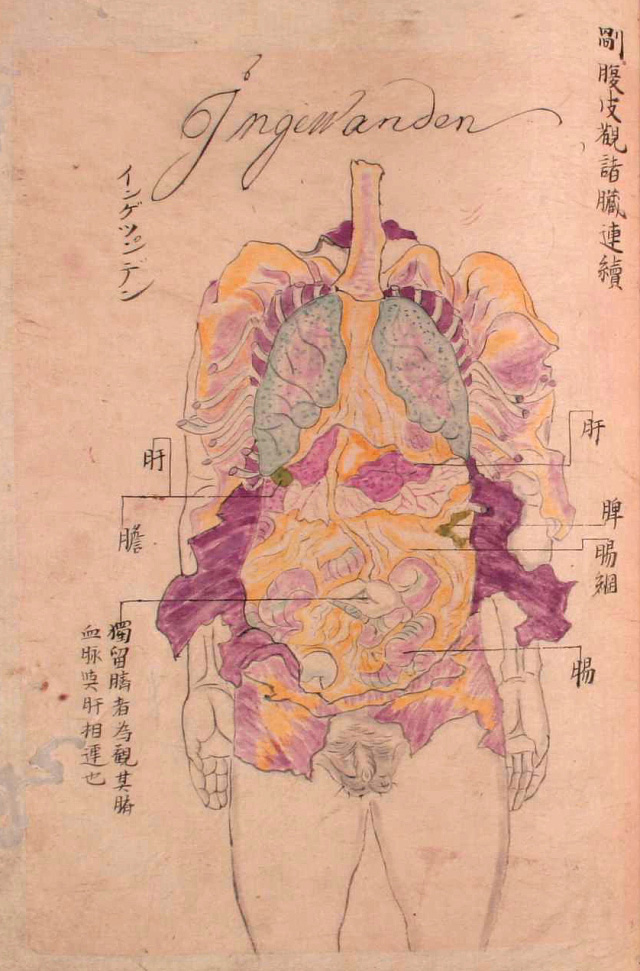
Seyakuin Kainan Taizōzu (circa 1798)
* * * * *
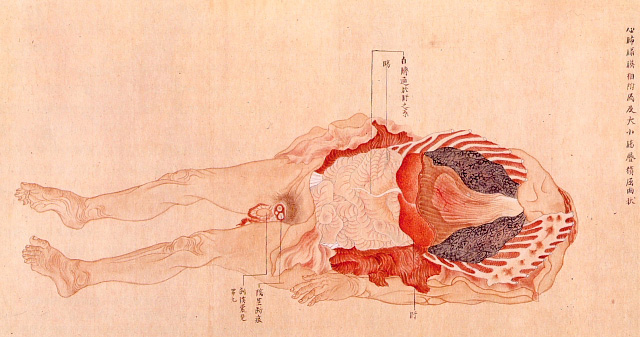
Dissection, 1783 [+]
This illustration is from a book by Genshun Koishi on the dissection of a 40-year-old male criminal executed in Kyōto in 1783.
* * * * *
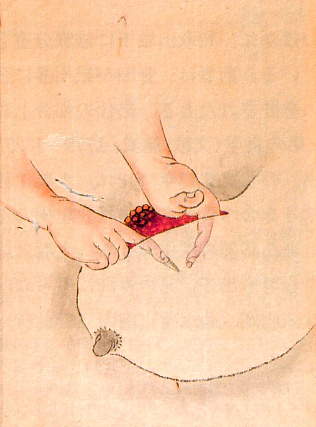
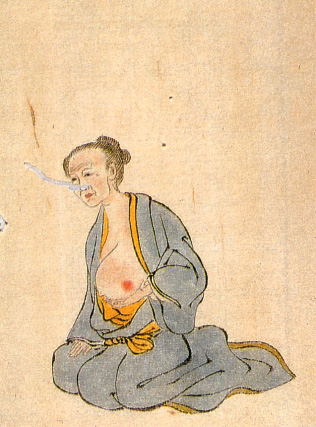
Breast cancer treatment, 1809
These illustrations are from an 1809 book documenting various surgeries performed by Seishū Hanaoka for the treatment of breast cancer. The illustrations here depict the treatment for a 60-year-old female patient.
* * * * *
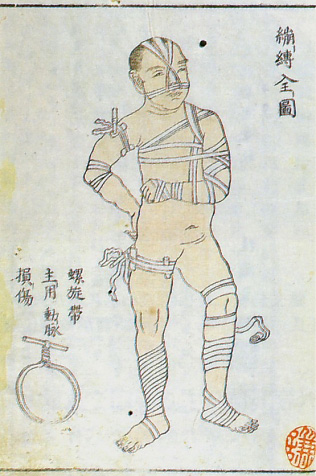
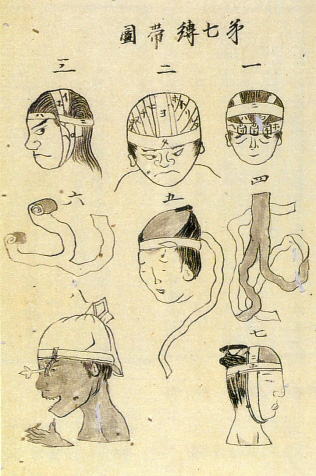
Bandage instructions from two medical encyclopedias, 1813
* * * * *
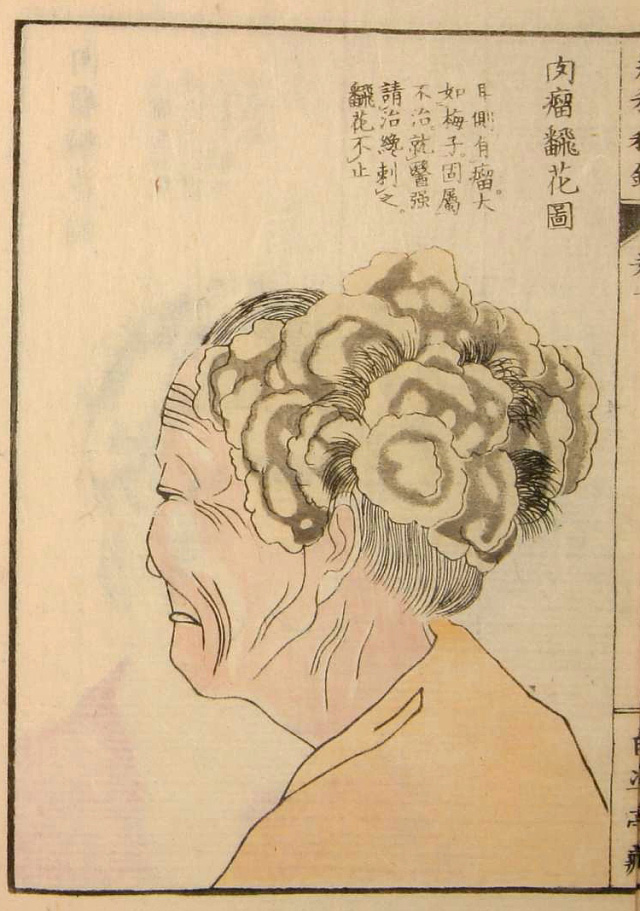
Yōka Hiroku (Confidential Notes on the Treatment of Skin Growths), 1847
These illustrations are from the 1847 book Yōka Hiroku (Confidential Notes on the Treatment of Skin Growths) by surgeon Sōken Honma (1804-1872).
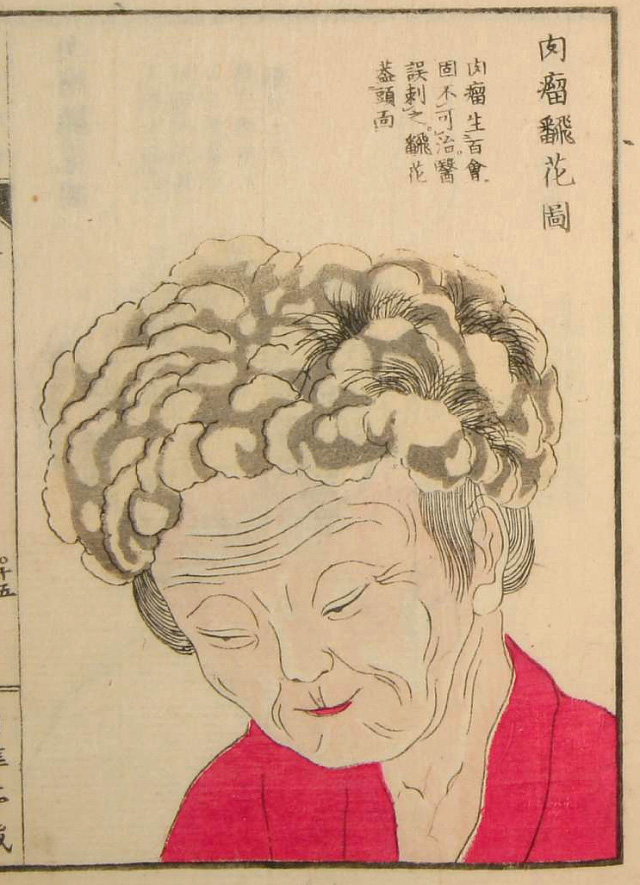
Yōka Hiroku (Confidential Notes on the Treatment of Skin Growths), 1847
* * * * *
The following illustrations are from the 1859 book Zoku Yōka Hiroku (Sequel to Confidential Notes on the Treatment of Skin Growths), an 1859 book by Sei Kawamata that presented the teachings of surgeon Sōken Honma.
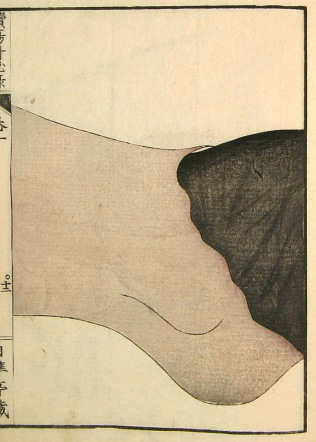
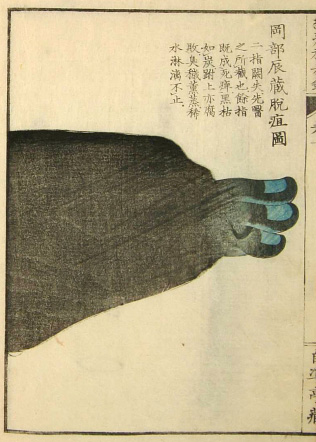
Zoku Yōka Hiroku (Sequel to Confidential Notes on the Treatment of Skin Growths), 1859
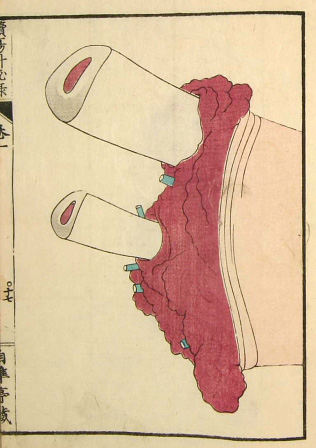
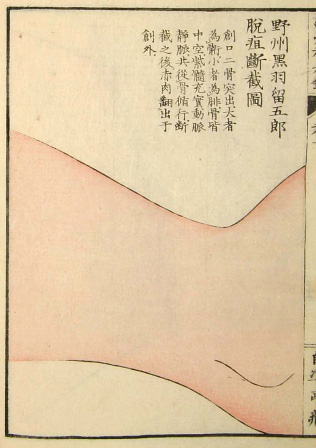
Zoku Yōka Hiroku (Sequel to Confidential Notes on the Treatment of Skin Growths), 1859
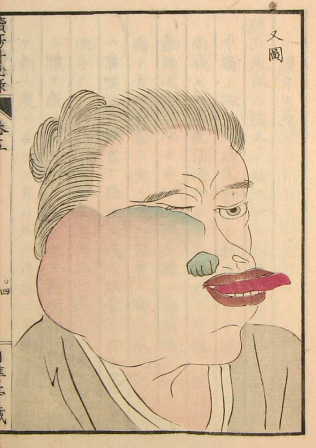
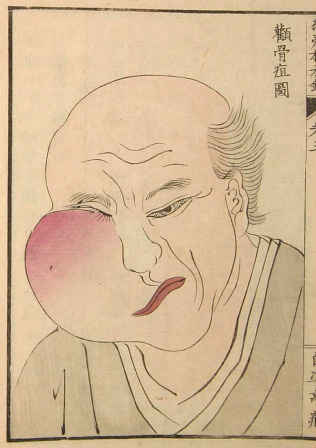
Zoku Yōka Hiroku (Sequel to Confidential Notes on the Treatment of Skin Growths), 1859
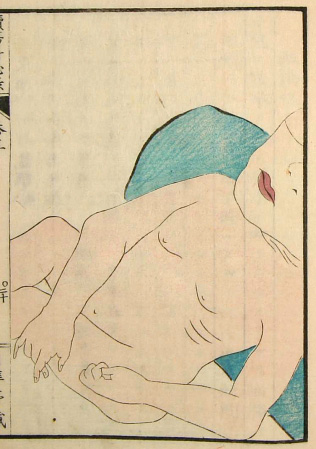
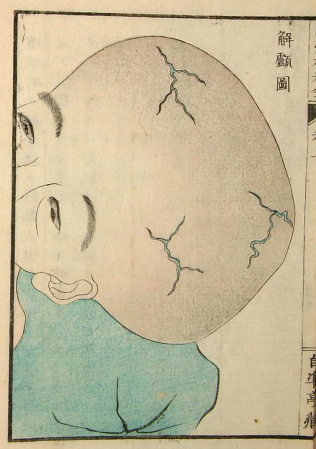
Zoku Yōka Hiroku (Sequel to Confidential Notes on the Treatment of Skin Growths), 1859
[Source: Nihon Iryō Bunkashi (History of Japanese Medical Culture), Shibunkaku Publishing, 1989]
At the CEATEC Japan 2010 trade show now being held in Chiba (Oct 5-9), Nissan is exhibiting a futuristic model of a solar-powered wireless charging station for electric vehicles.
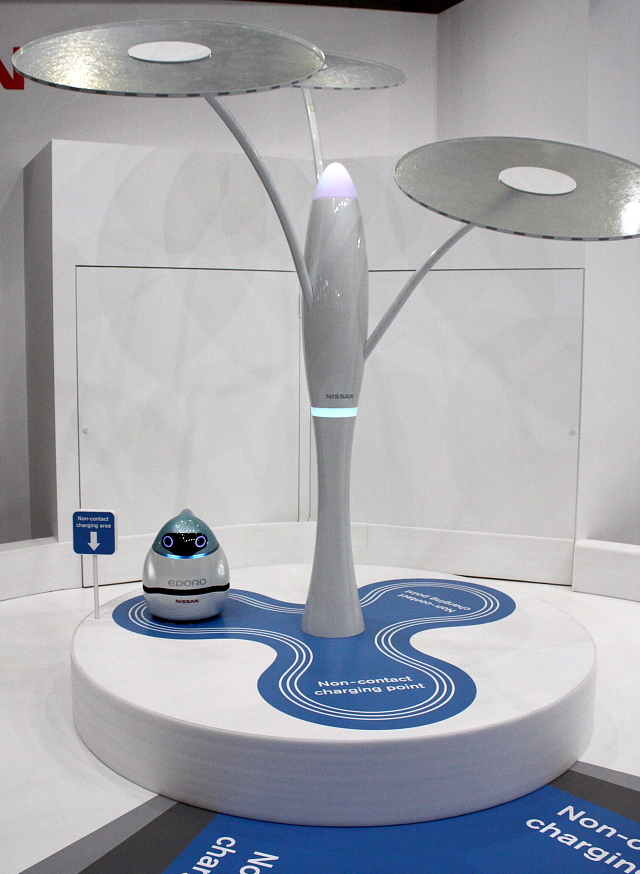
Solar Tree: Coming in 2030 to a city near you
The envisioned tree-shaped charging station -- called the "Solar Tree" -- stands 12 meters (39 ft) tall and has three translucent round solar panels that follow the sun across the sky. With an expected conversion efficiency of 30%, the three solar panels together can generate 20 kilowatts of power. At the base of each tree is a clover leaf-shaped wireless charging pad that can recharge batteries from a short distance, without the use of cables or plugs.
As part of the exhibition, Nissan showed off the latest version of its EPORO robot car, which has been outfitted with a wireless power system. In addition to recharging itself under a Solar Tree, the robot can also repower itself on the go by receiving electrical energy via charging lanes on the road.
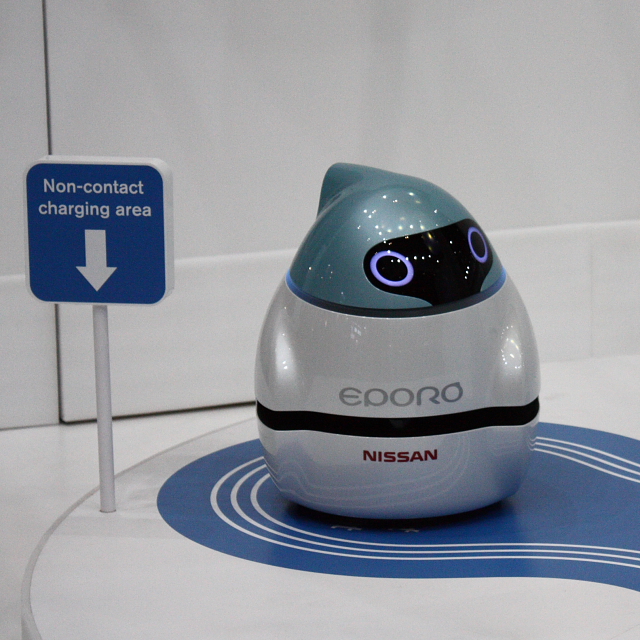
EPORO robot recharging under a Solar Tree
Solar Trees can be used individually as small-scale charging stations in urban areas, or they can be grouped into forests to produce energy on the scale of power plants. According to Nissan's design, a forest of 1,000 Solar Trees will be able to provide electricity for 7,000 households.
In addition to providing power, Solar Trees can provide some relief from the heat in summer. The translucent solar panels offer protection from UV light, while fine mist emitted from the edges of the panels works to reduce the temperature in the immediate vicinity.
Photographer Tomoyuki Sakaguchi has published an online gallery of itasha at night.
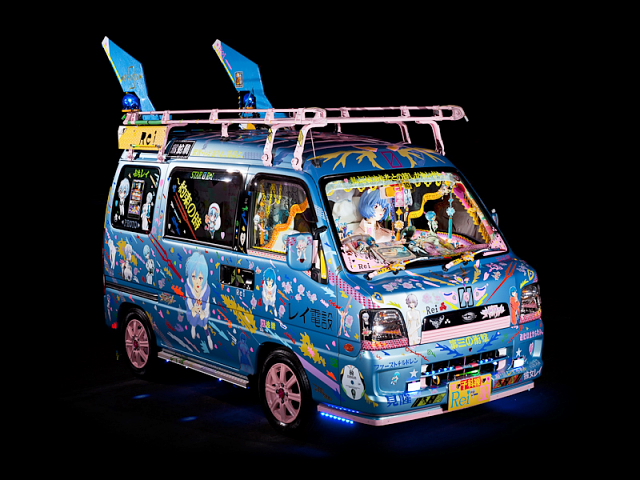
Rei Densetsu / Rei Ayanami
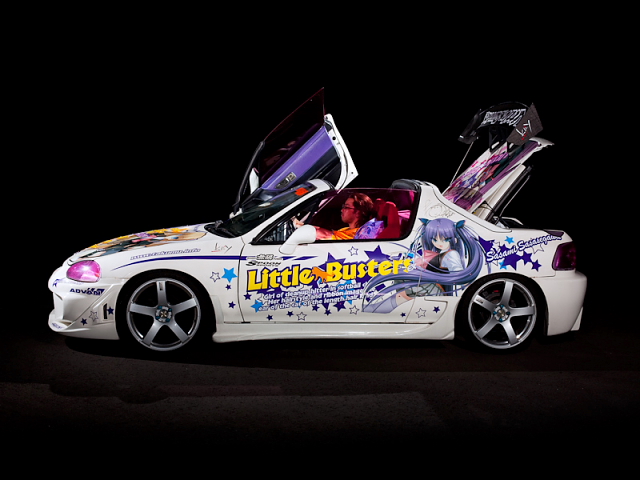
Shinya / Sasami Sasagawa

StudioR / Tacchi Tachikawa

MAGI / EXIT TRANCE SPEED
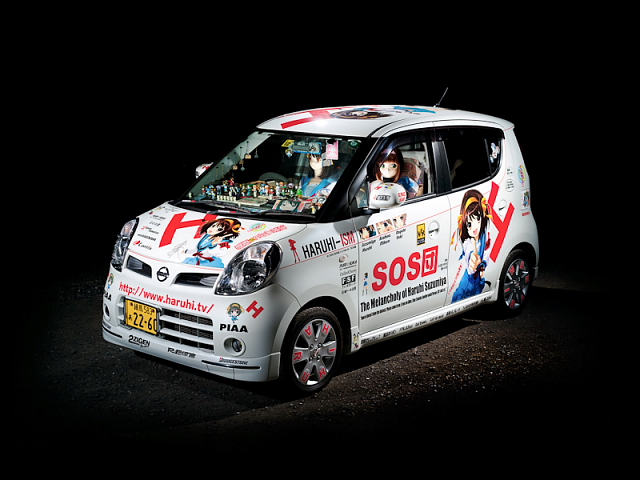
Piskes / Haruhi Suzumiya
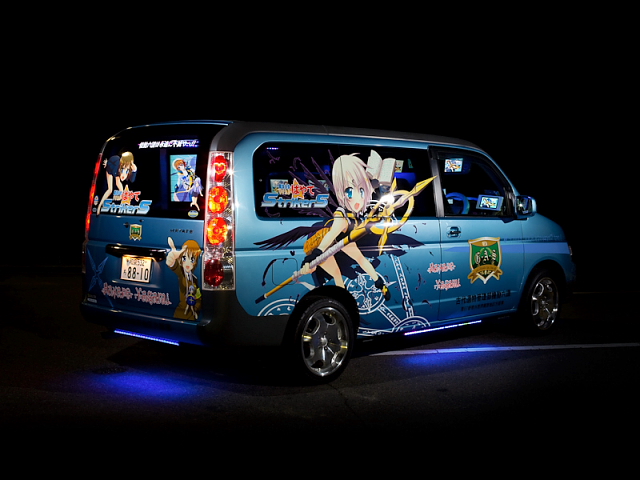
Itokuzu / Hayate Yagami
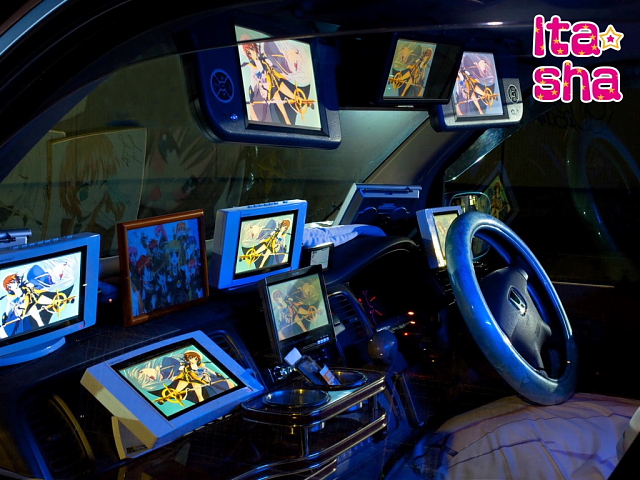
Itokuzu / Hayate Yagami

Wan / Koiiro Soramoyou

Regtan / Miku Hatsune
The entire collection is available as an iPad photo book, which also features background stories about each itasha and its owner.
[Link: Ita☆Sha]
This umbilical cord-inspired charger cable by interactive media artist Mio I-zawa comes to life when connected to an iPhone.
+ Video
[See also: Mechanical tumor, external heart, elastic cell]
Here is a selection of concept cars designed by Japanese automakers from 1957-2009.
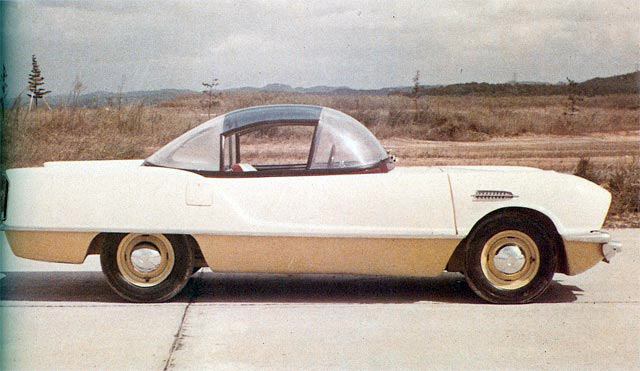
Toyota Proto, 1957
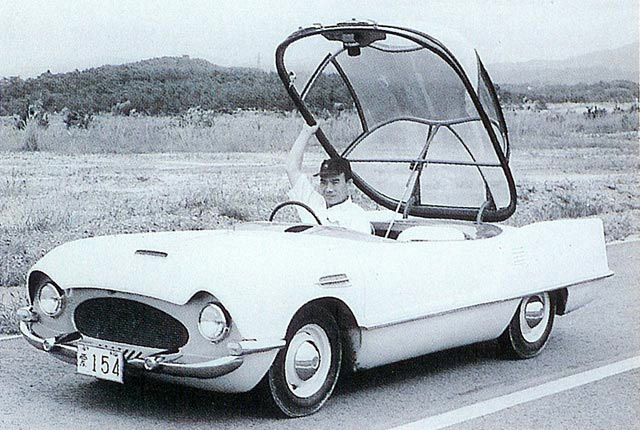
Toyota Proto, 1957
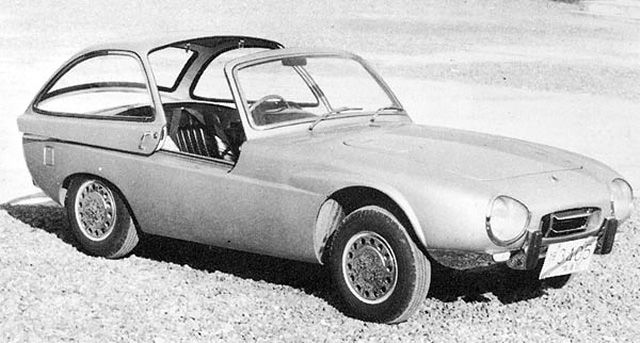
Toyota Publica Sports, 1962
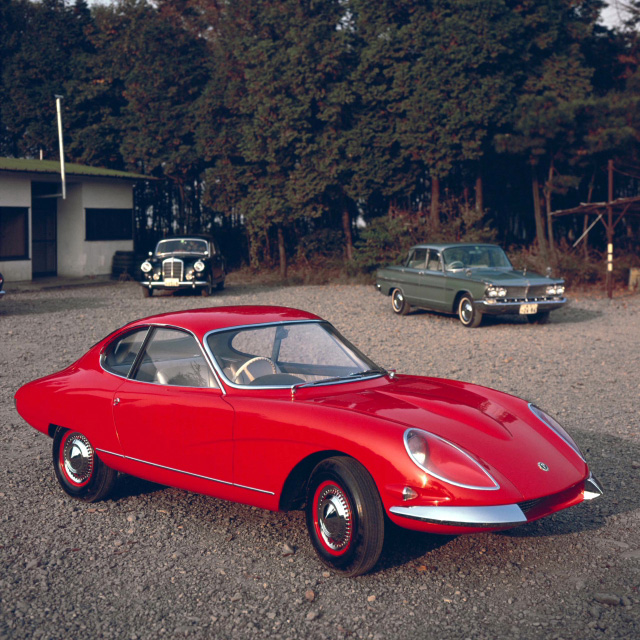
Nissan Prince Sprint 1900 Prototype, 1963
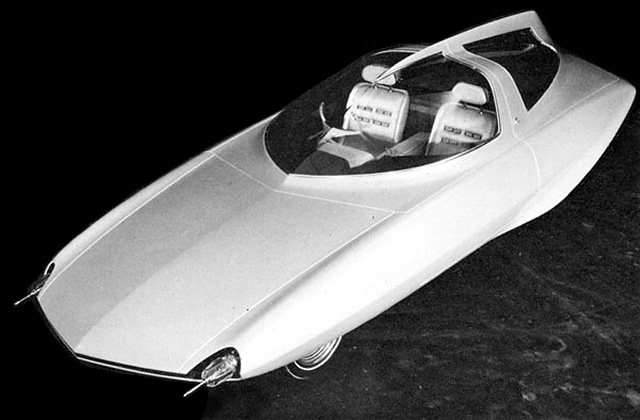
Toyota Concept, 1966
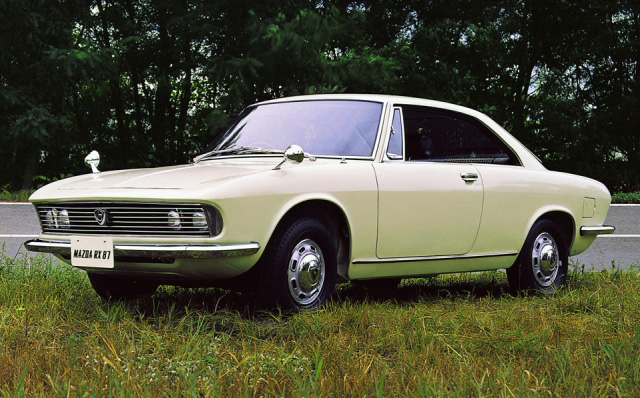
Mazda RX 87 (Bertone), 1967
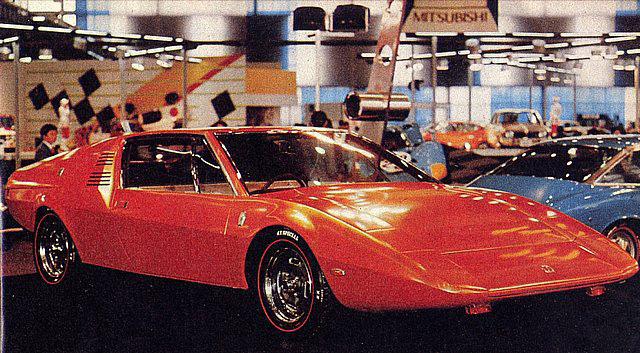
Isuzu Bellett MX1600 (Ghia), 1969
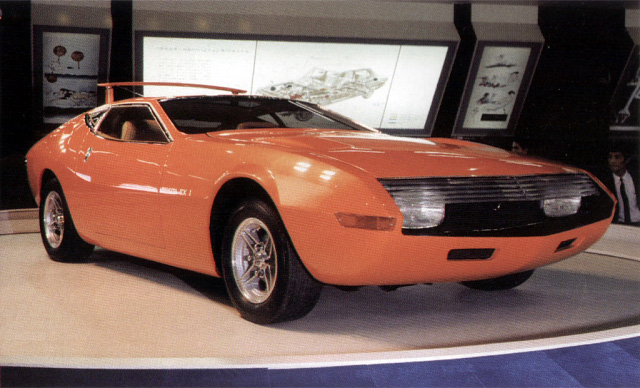
Toyota EX-1, 1969
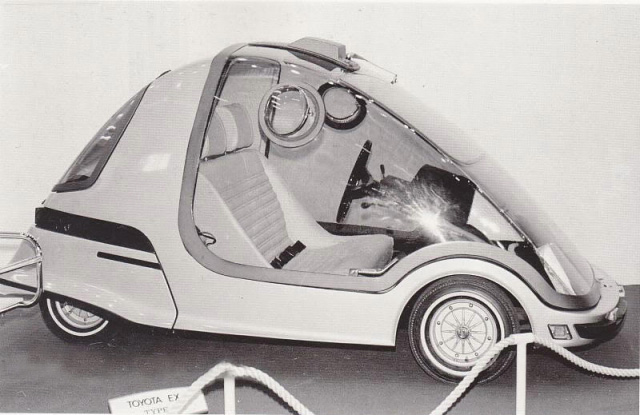
Toyota EX-II, 1969
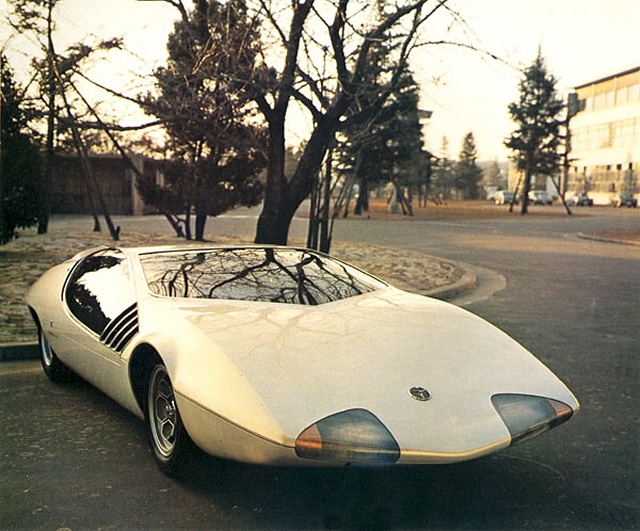
Toyota EX-III, 1969
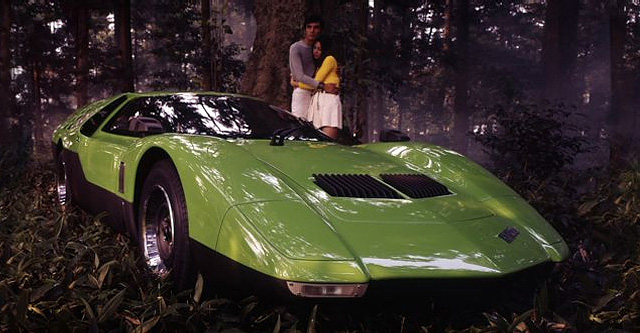
Mazda RX-500, 1970
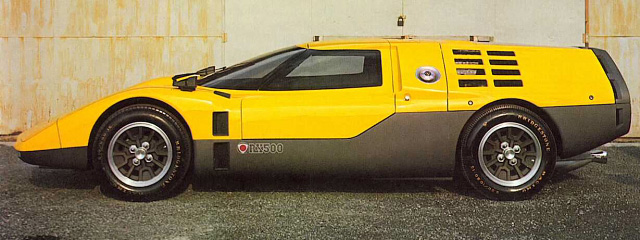
Mazda RX-500, 1970
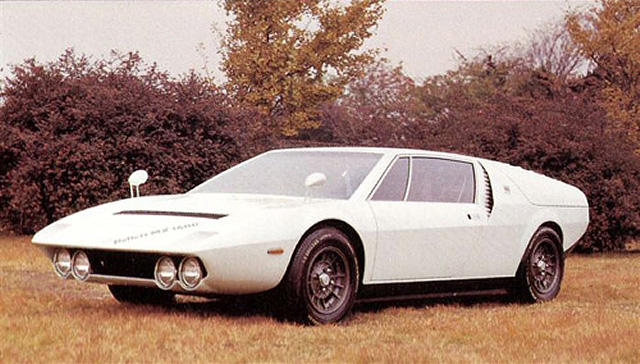
Isuzu MX1600-II
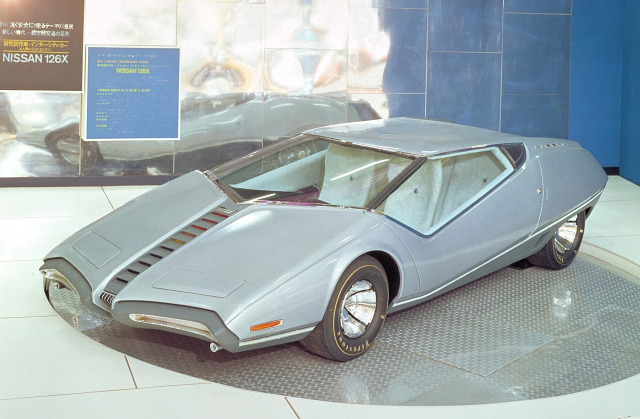
Nissan 126X, 1970
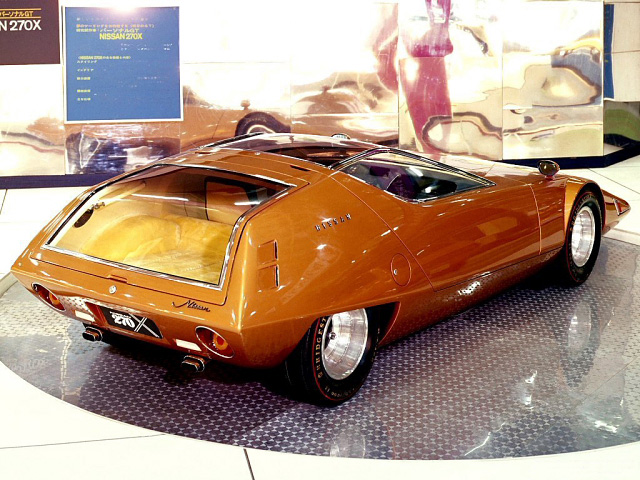
Nissan 270X, 1970
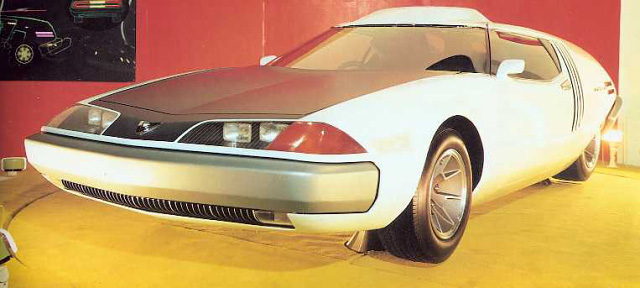
Nissan 216X, 1971
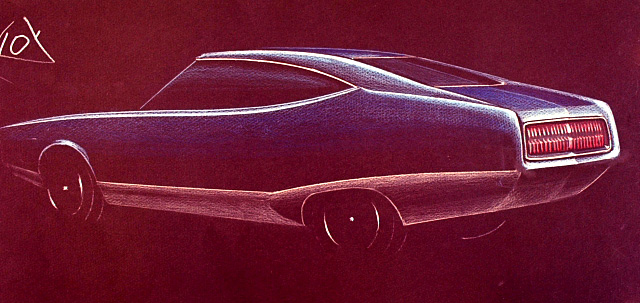
Nissan Skyline Concept, 1972
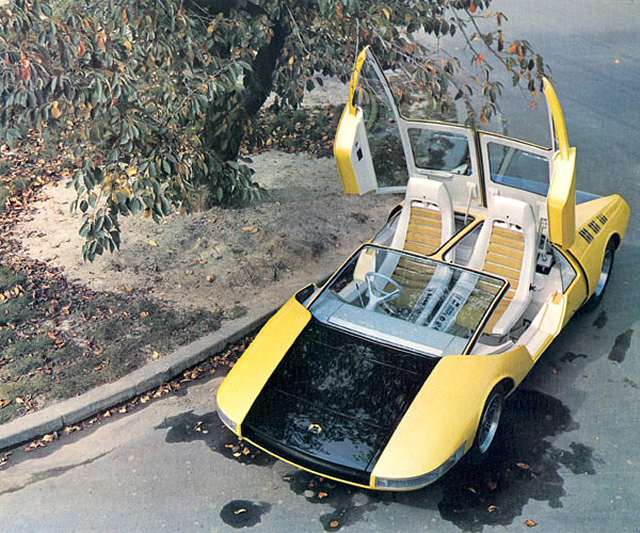
Toyota EX-7, 1972
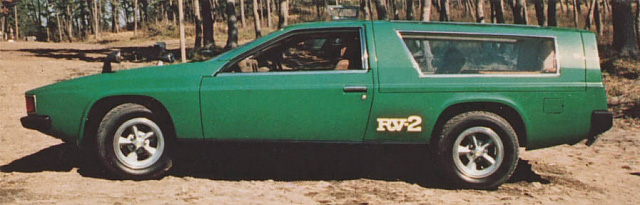
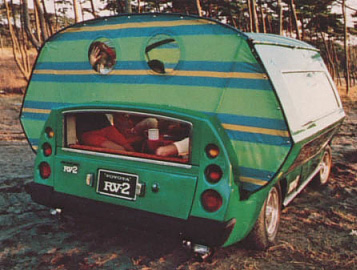
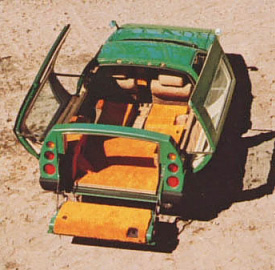
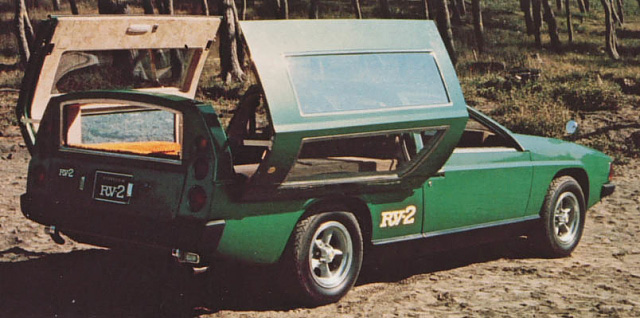
Toyota RV-2, 1972
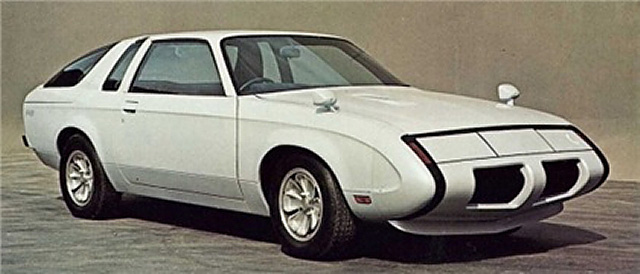
Toyota F101, 1973
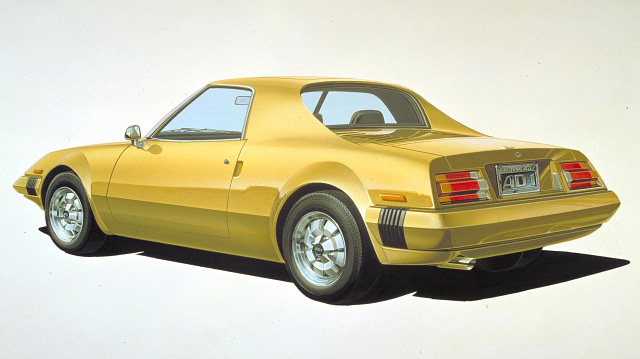
Nissan AD-1 Concept, 1975
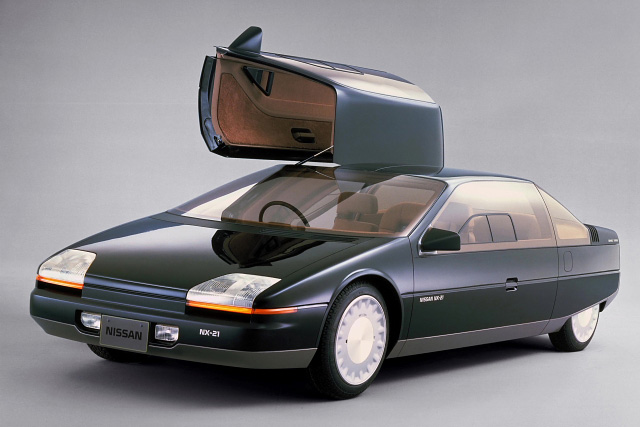
Nissan NX-21, 1983
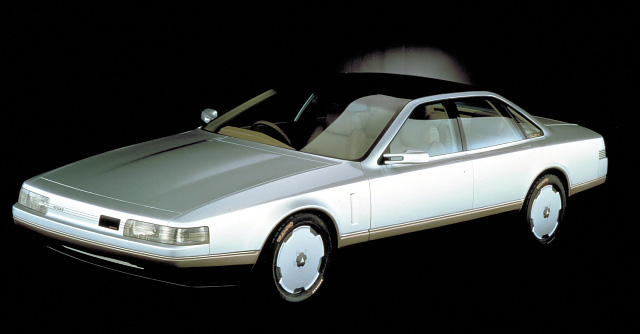
Nissan CUE-X, 1985
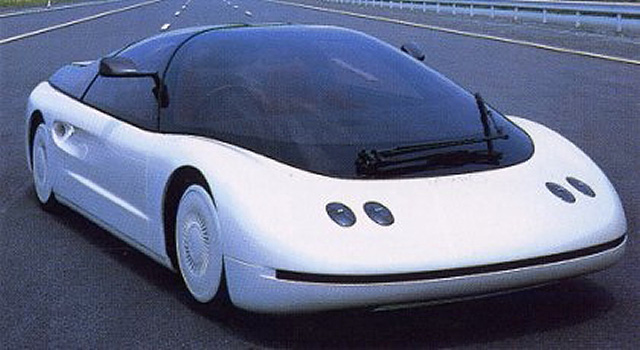
Daihatsu TA-X80, 1987
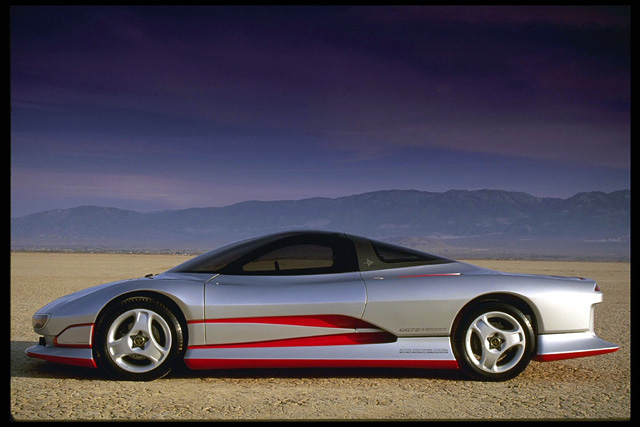
Mitsubishi HSR II, 1989
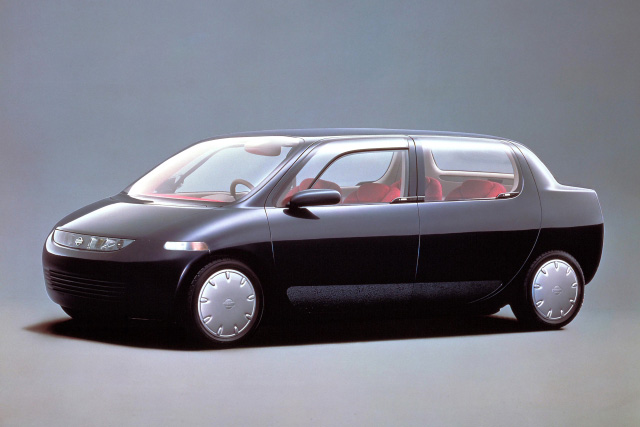
Nissan Boga, 1989
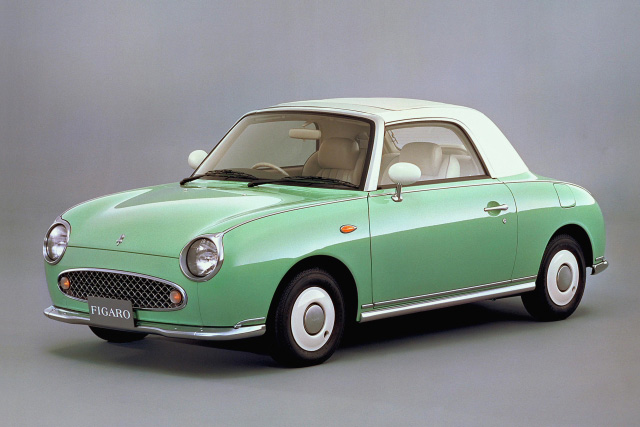
Nissan Figaro Concept, 1989
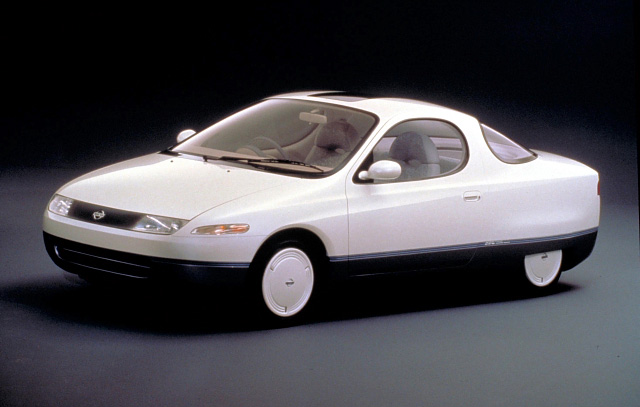
Nissan FEV, 1991
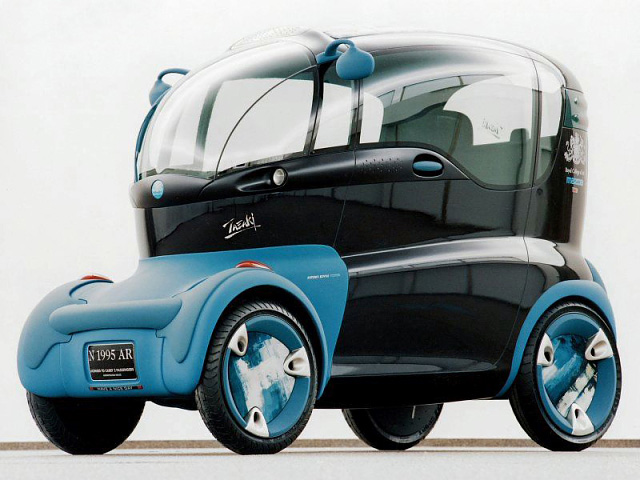
Mazda London Taxi, 1993
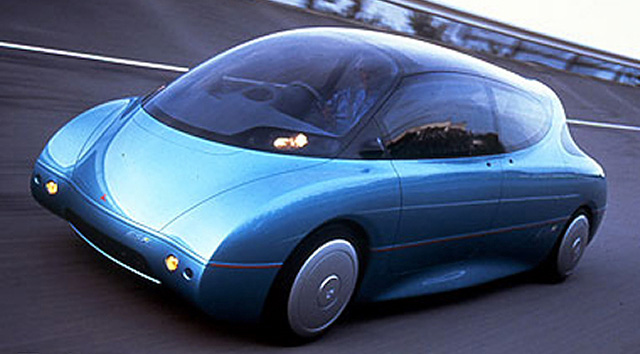
Mitsubishi ESR, 1993
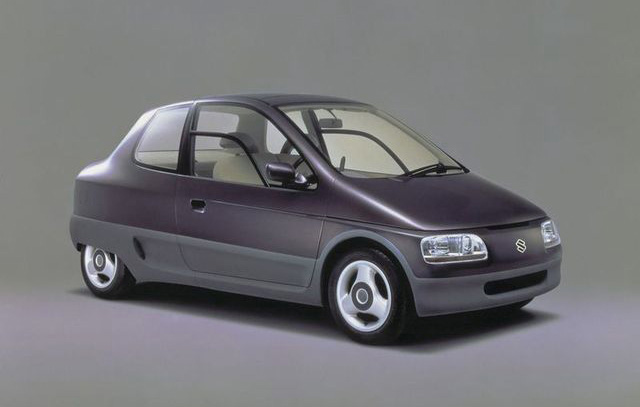
Suzuki EE-10, 1993
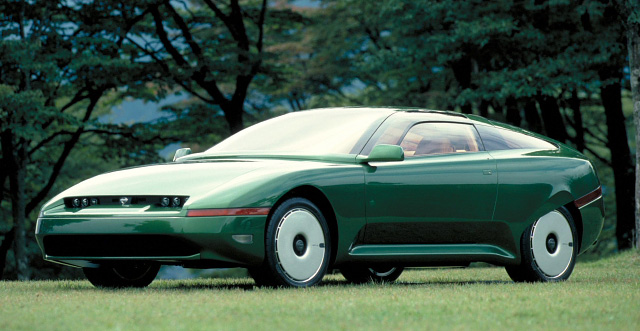
Nissan AP-X, 1994
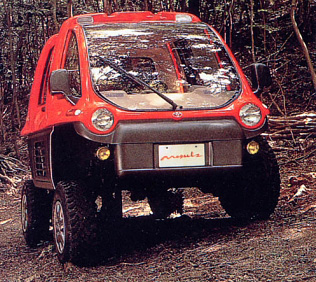
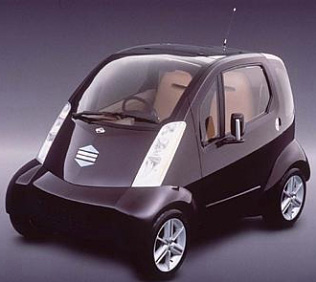
Toyota Moguls, 1995 // Nissan Hypermini, 1997
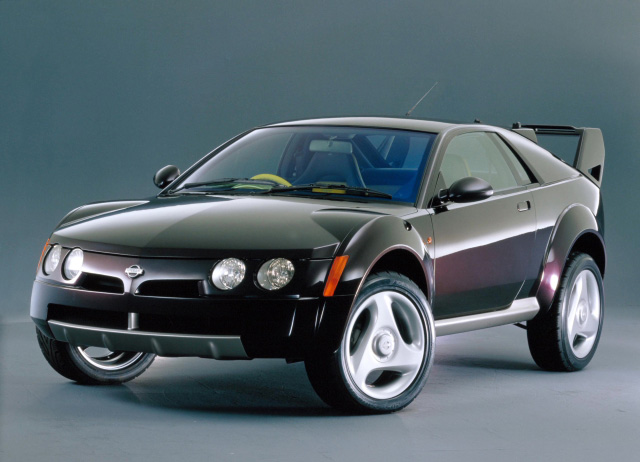
Nissan TrailRunner, 1997
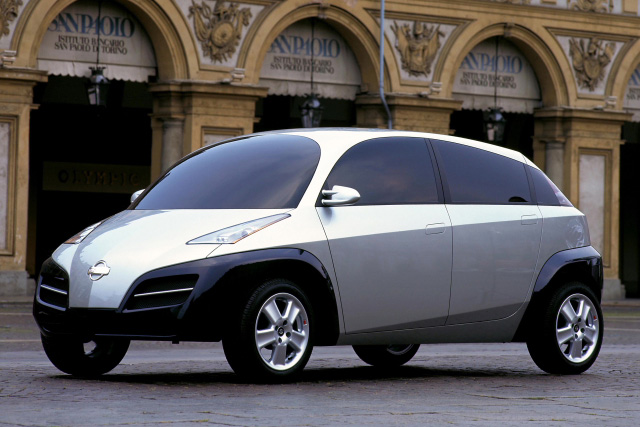
Nissan KYXX, 1998
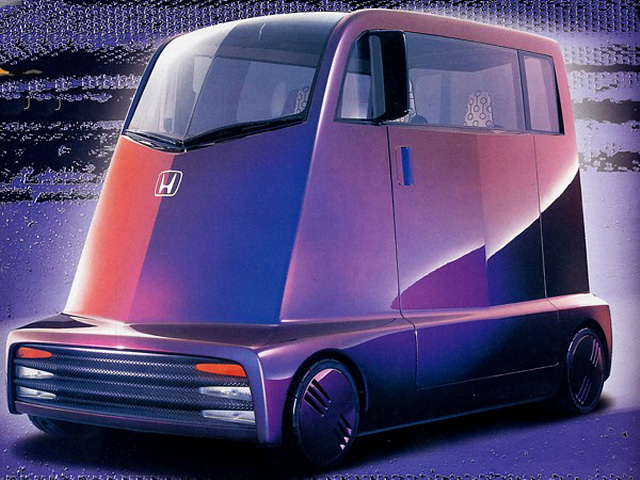
Honda Fuya-Jo, 1999
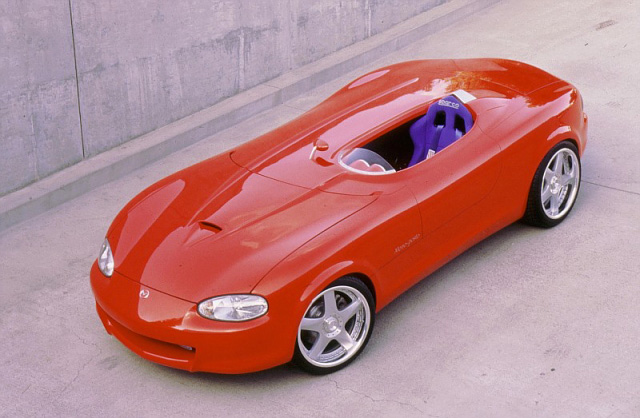
Mazda Miata Mono-Posto, 1999
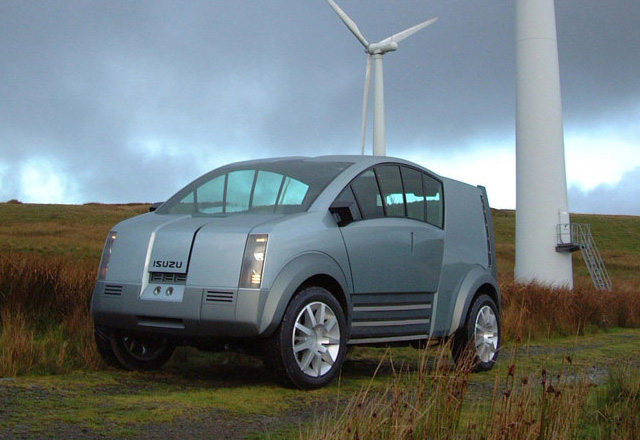
Isuzu Zen, 2001
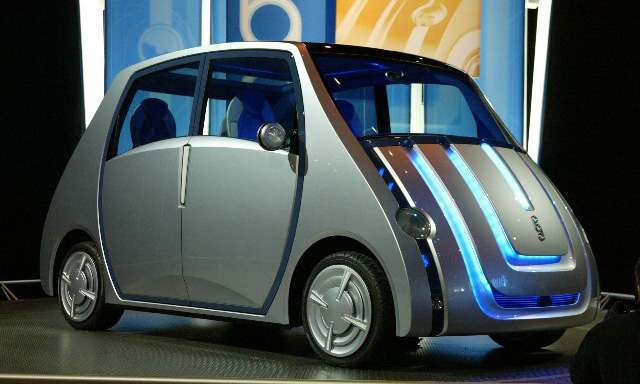
Toyota POD, 2001
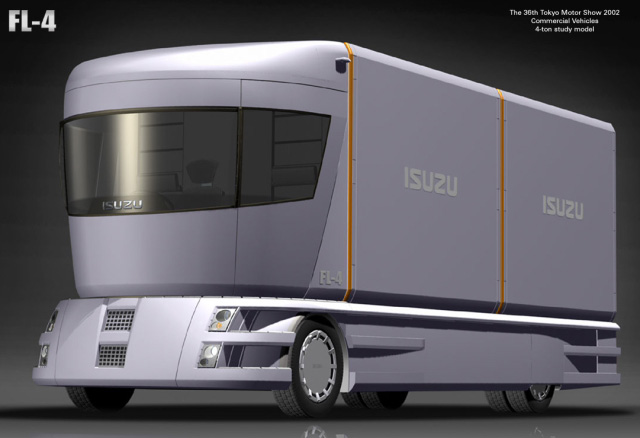
Isuzu FL-4, 2002
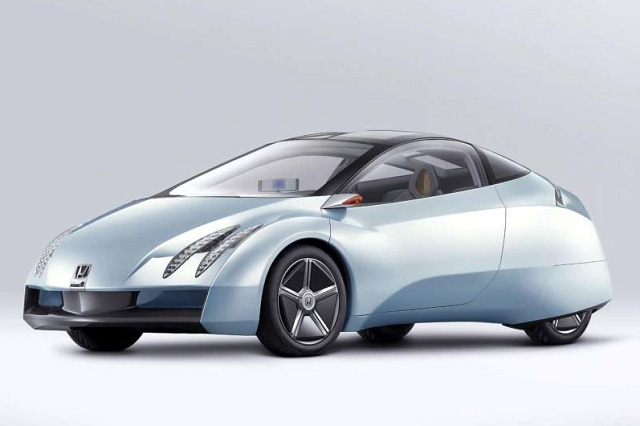
Honda IMAS, 2003
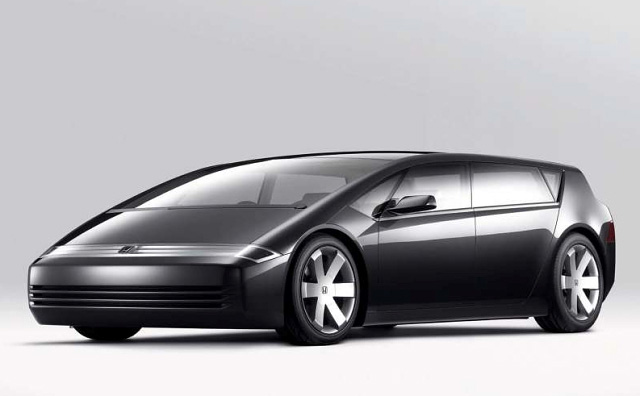
Honda KIWAMI, 2003
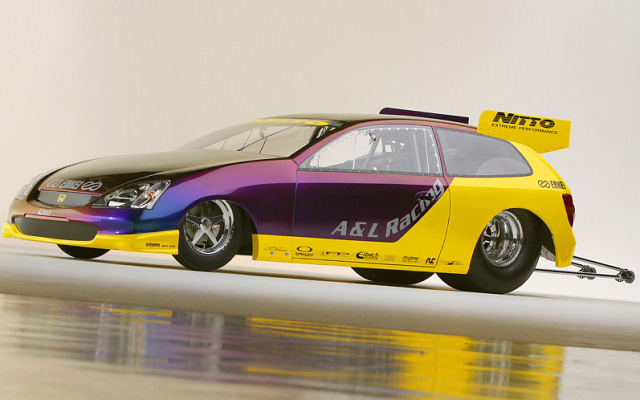
Honda Pro Drag Civic Si, 2003
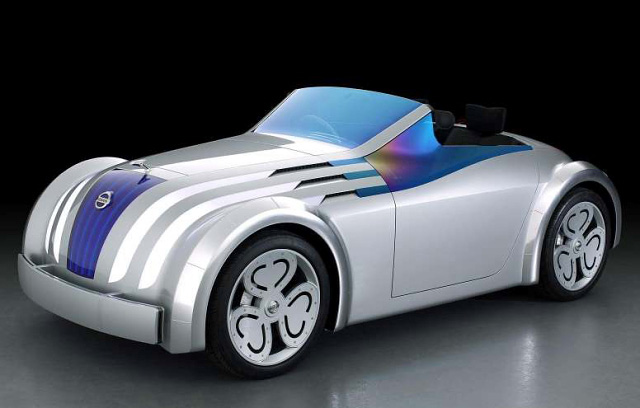
Nissan Jikoo, 2003
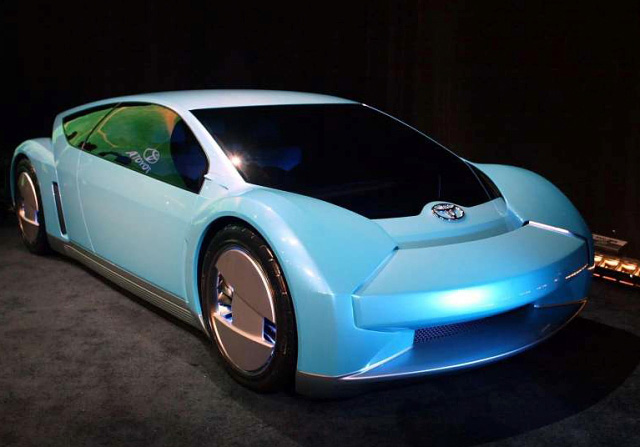
Toyota FINE-S, 2003
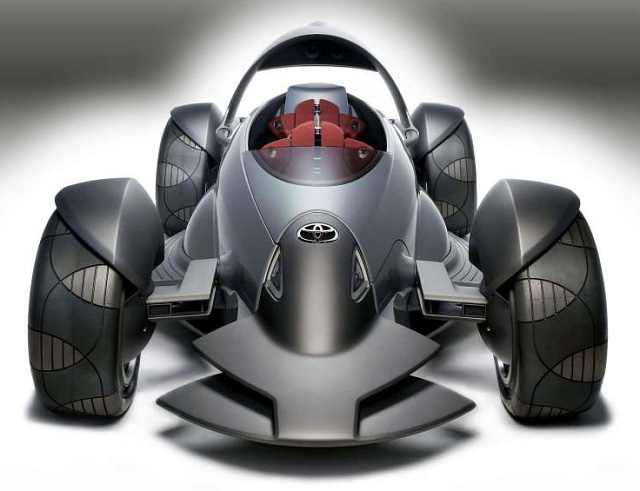
Toyota MTRC, 2004
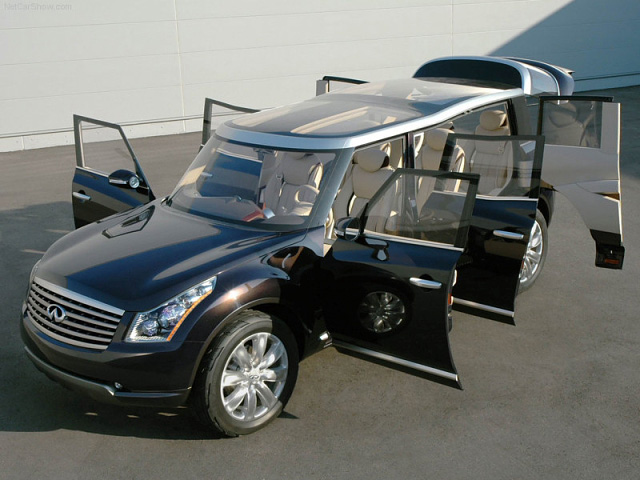
Infiniti Kuraza, 2005
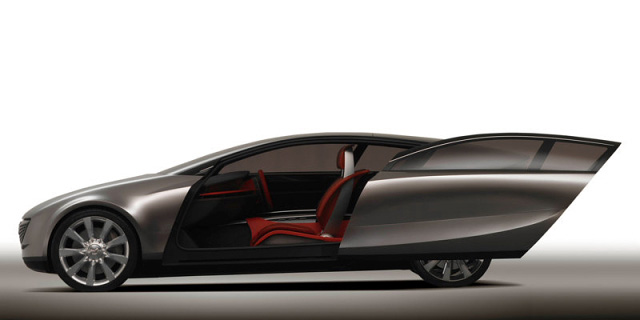
Mazda Senku, 2005
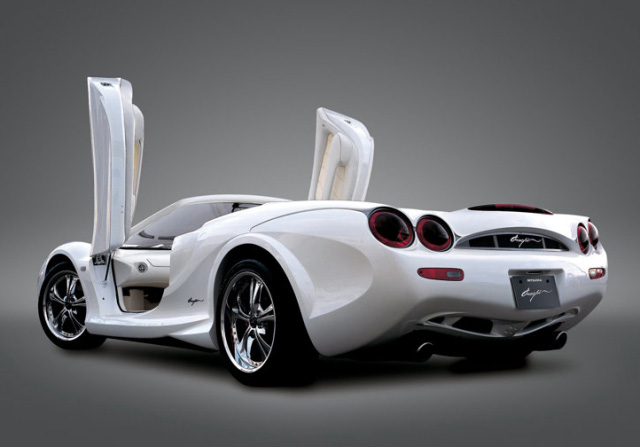
Mitsuoka Orochi, 2005
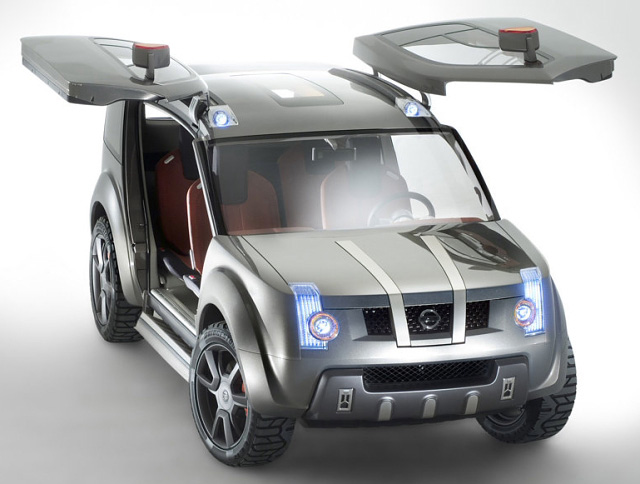
Nissan Zaroot, 2005
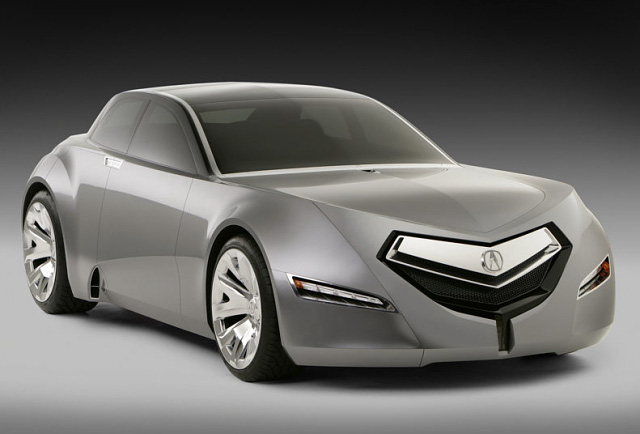
Acura Advanced Sedan, 2006
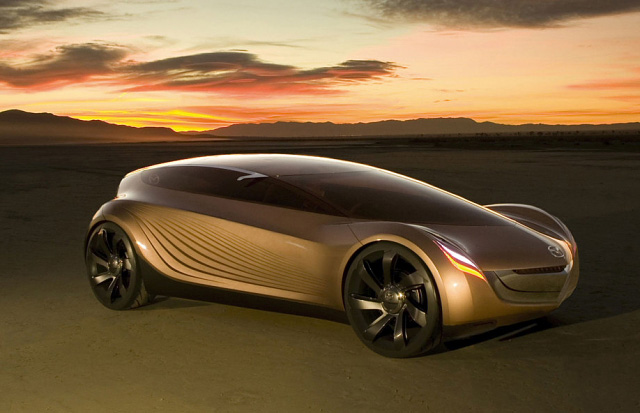
Mazda Nagare, 2006
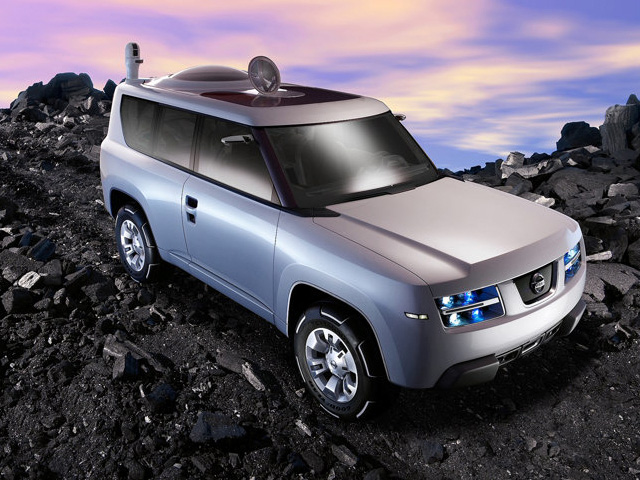
Nissan Terranaut, 2006
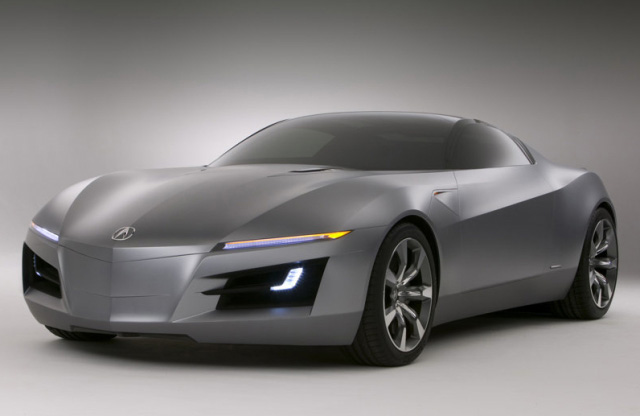
Acura Advanced Sports Car, 2007
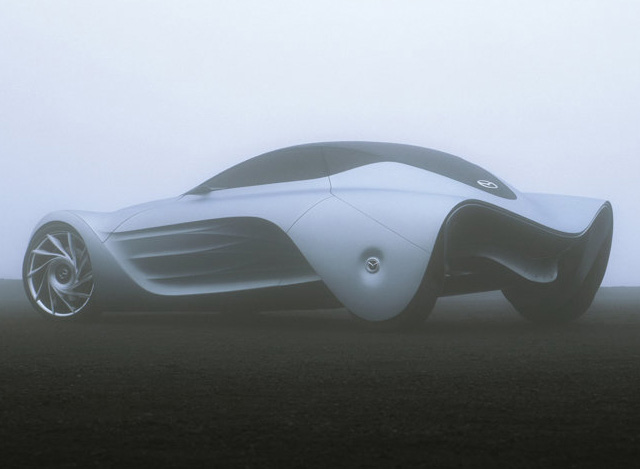
Mazda Taiki, 2007
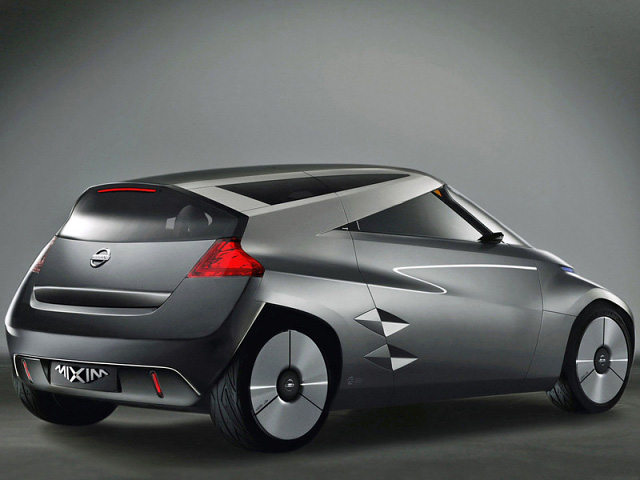
Nissan Mixim, 2007
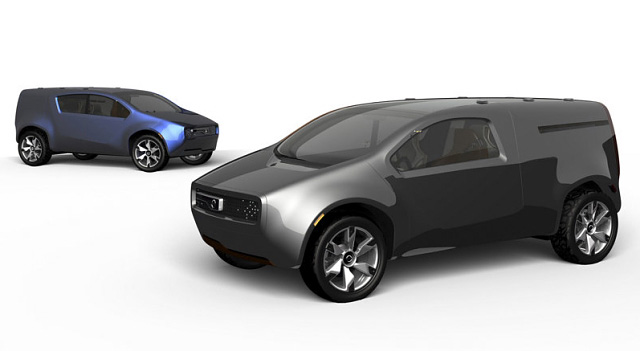
Nissan Bevel, 2007
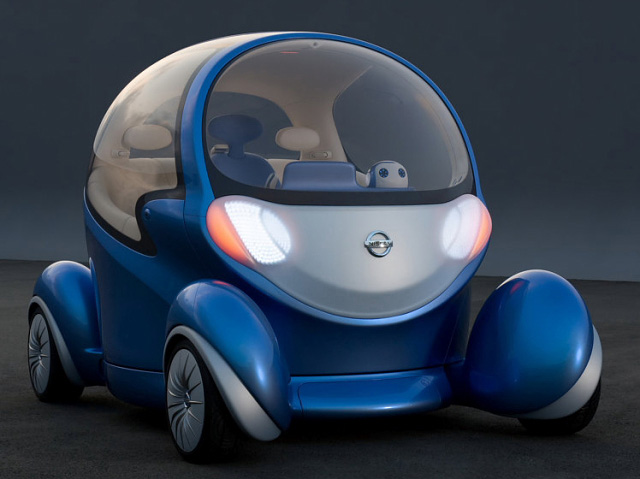
Nissan Pivo-2, 2007
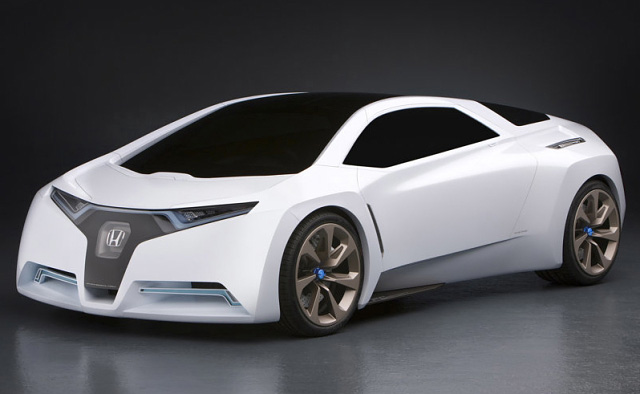
Honda FC Sport Concept, 2008
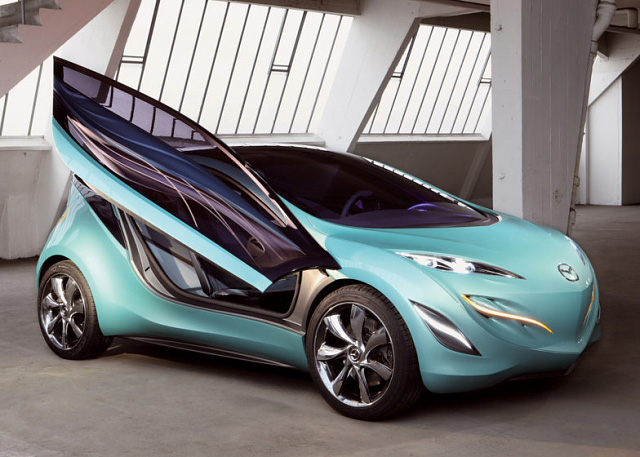
Mazda Kiyora, 2008
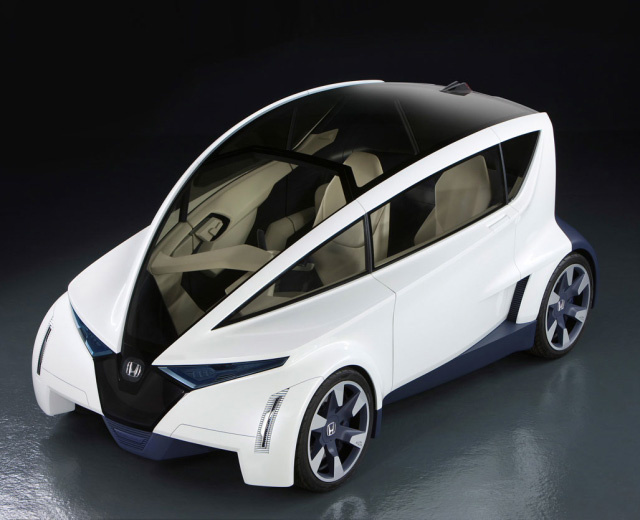
Honda P-NUT, 2009

Infiniti Essence, 2009
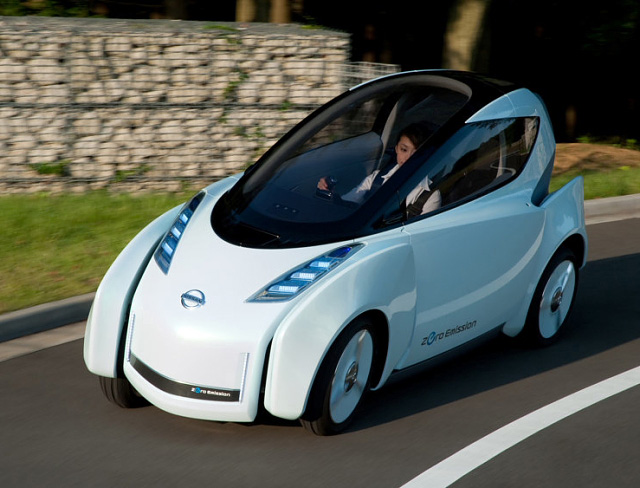
Nissan Land Glider, 2009
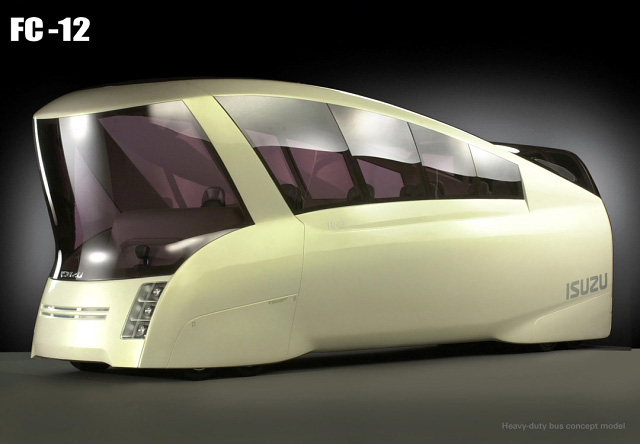
Isuzu FC-12
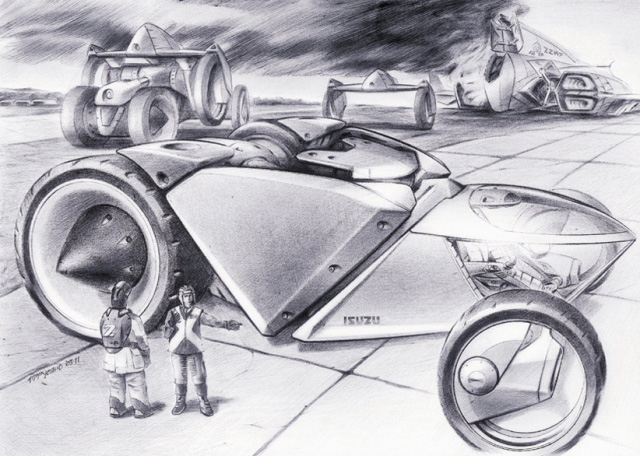
Isuzu Fire Fighter 2
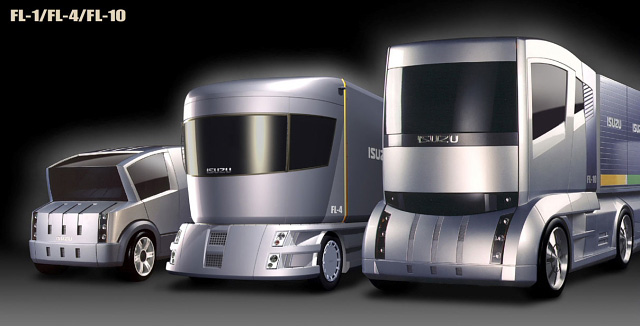
Isuzu FL-1/FL-4/FL-10
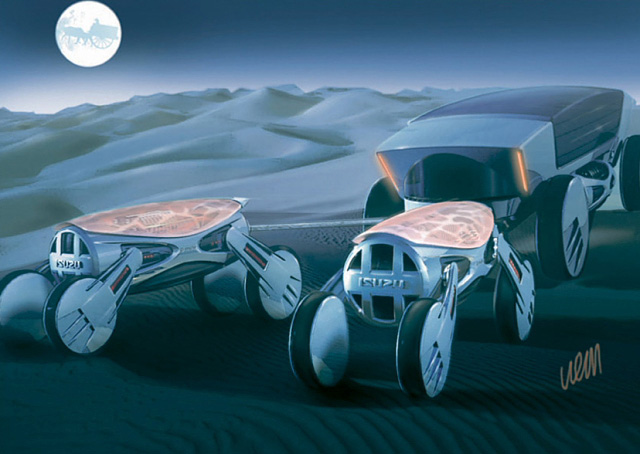
Isuzu Lunar Rover
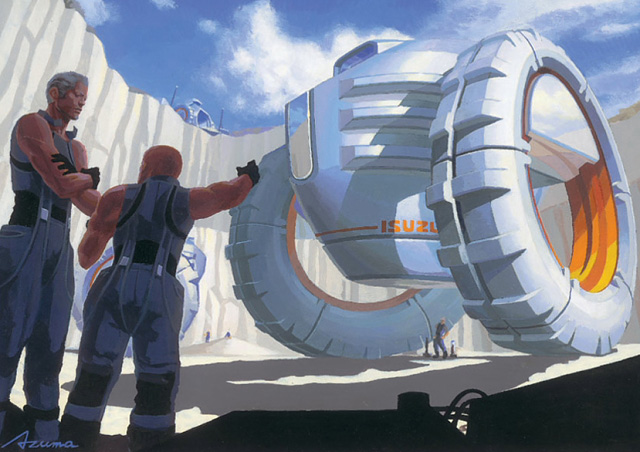
Isuzu Super Heavy Dumptruck
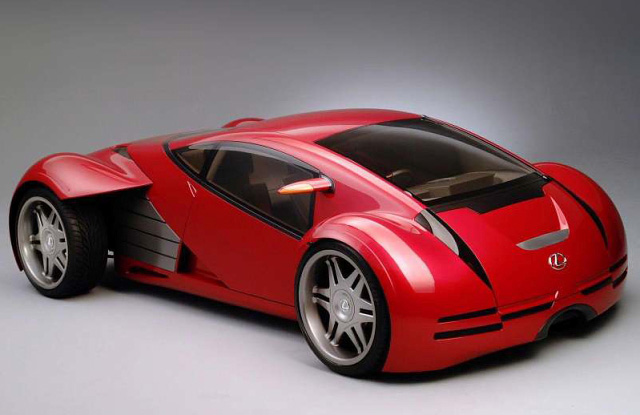
Lexus Minority Report Concept, 2054
[Via: NetCarShow, Car Styling, ConceptNissan, Isuzu]
These Ultra Monster illustrations by Toshio Okazaki are from 'The Return of Ultraman' sonosheet book (Volume 1) published by Elm in 1971.
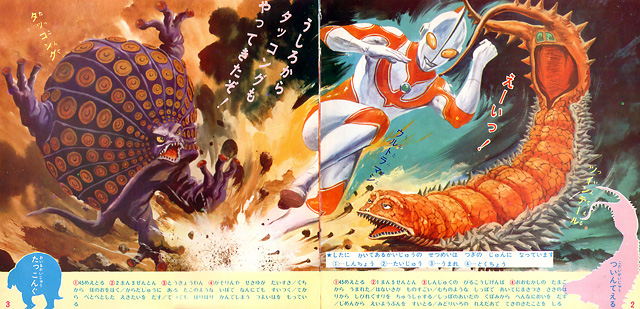
Takkong, Ultraman, Twin Tail [+]
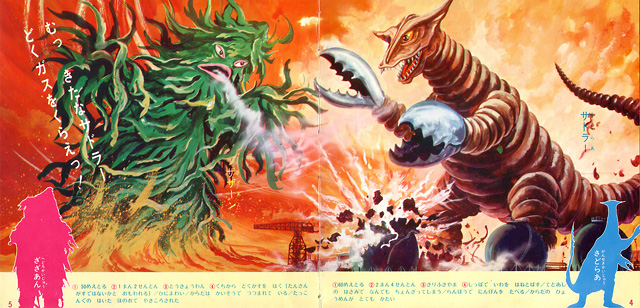
Zazahn, Sadora [+]
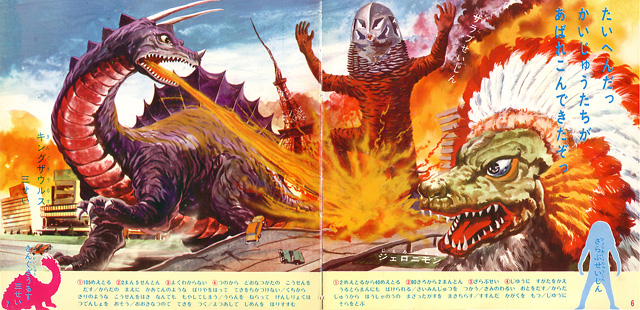
Kingsaurus III, Alien Zarab, Geronimon [+]
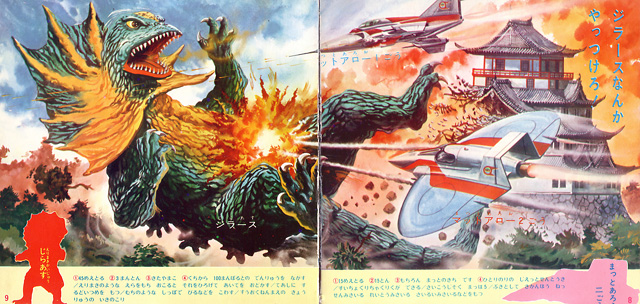
Jirass, MAT Arrow 1, MAT Arrow 2 [+]
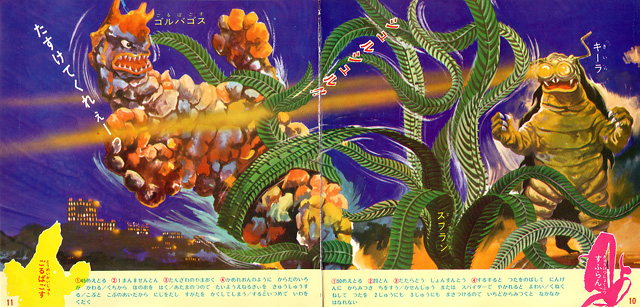
Gorbagos, Suflan, Kiyla [+]
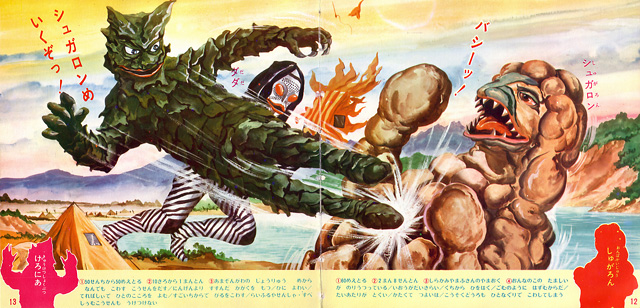
Keronia, Dada, Shugaron [+]
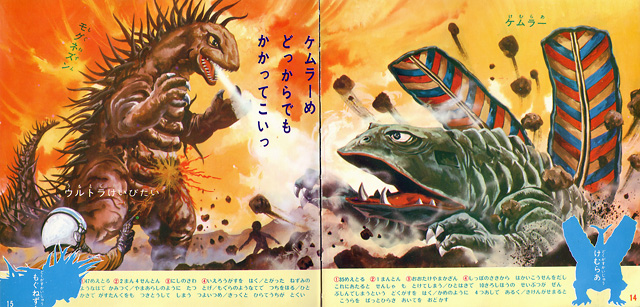
Mognezun, Kemular [+]
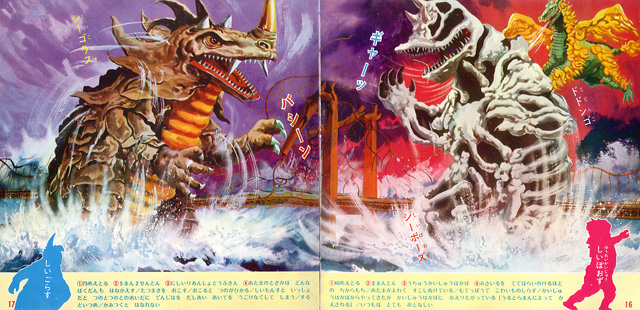
Seagoras, Seabozu, Dodongo [+]
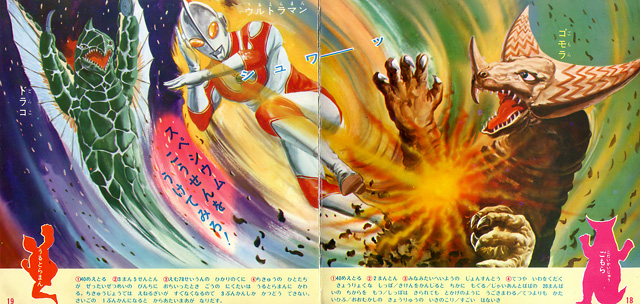
Dorako, Ultraman, Gomora [+]
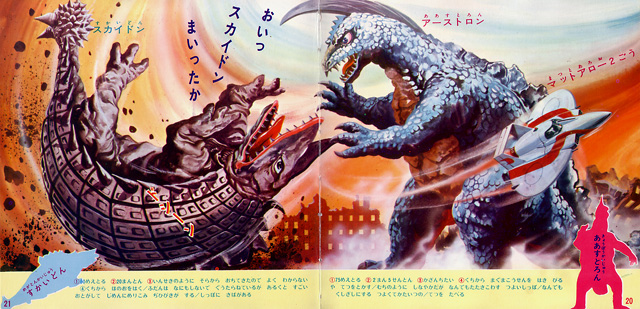
Skydon, Earthtron, MAT Arrow 2 [+]
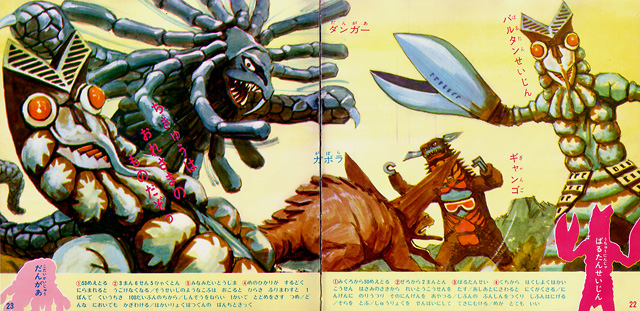
Dangar, Gabora, Gyango, Alien Baltan [+]
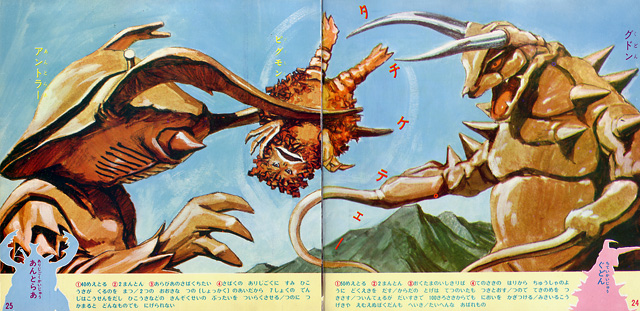
Antlar, Pigmon, Gudon [+]
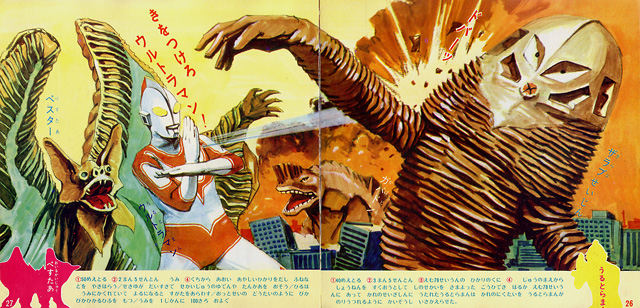
Pestar, Ultraman, Gabadon, Alien Zarab [+]
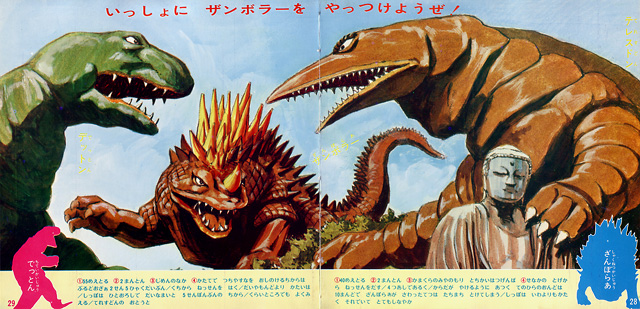
Detton, Zambolar, Telesdon [+]
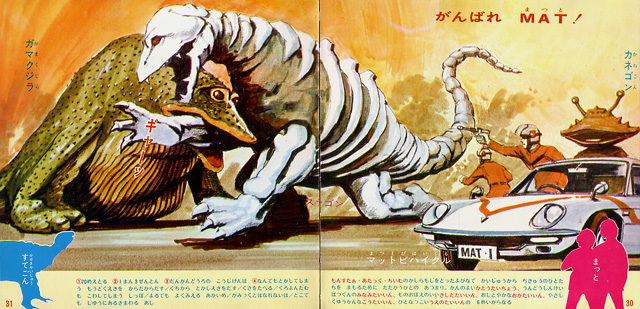
Gamakujira, Stegon, MAT Vehicle, Kanegon [+]
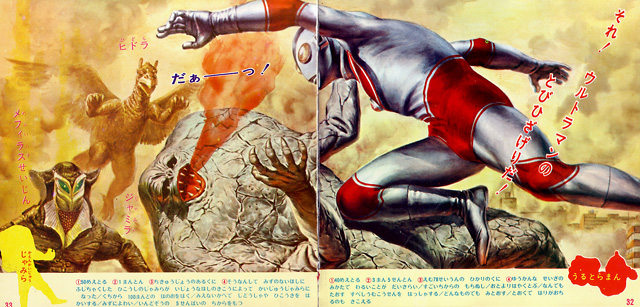
Alien Mephilas, Hydra, Jamila, Ultraman [+]
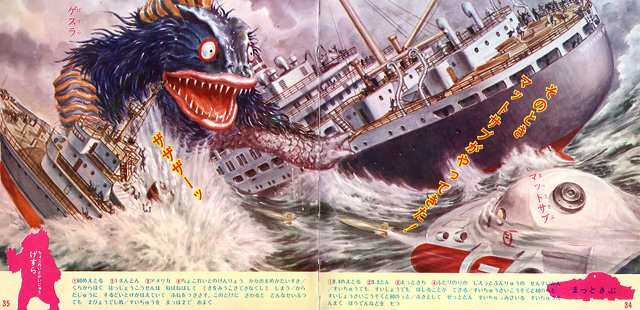
Gesura, MAT Sub [+]
As a publicity stunt to demonstrate the durability of Evolta batteries, Panasonic's mascot robot is hiking the historic 500-kilometer (300-mi) Tōkaidō Road from Tokyo to Kyoto.
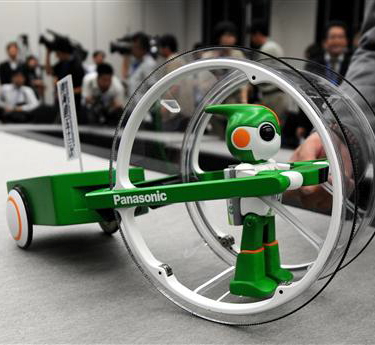
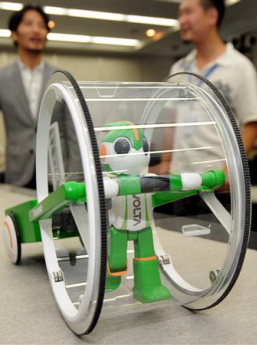
Evolta World Challenge III: Kyoto or bust! -- Photos via Sankei News
The Evolta humanoid, whose new design is meant to resemble an ancient highway traveler pulling a two-wheeled cart, measures 17 centimeters (7 in) tall and 40 centimeters (16 in) long. Constructed mostly of lightweight plastic, carbon fiber and titanium, the robot weighs about 1 kilogram (2.2 lbs). It is powered by 12 AA batteries and operated by remote control, and it can travel at a rate of 3 to 5 kilometers per hour (2-3 mph). If all goes according to schedule, the robot will complete the journey on December 10, after 49 days of walking.
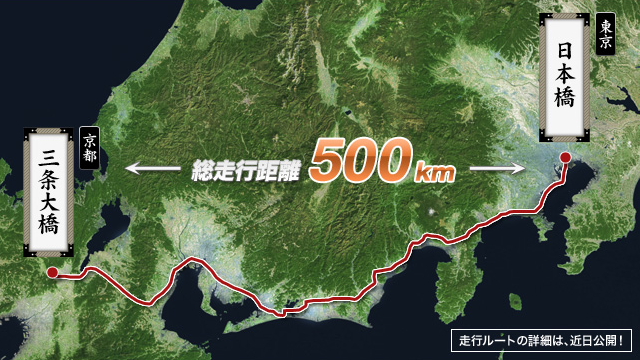
On the 500-km Tōkaidō Road from September 23 to November 10, 2010
The Evolta robot is no stranger to endurance challenges. In May 2008 the battery-powered mascot climbed a 530-meter (1,740-ft) rope suspended from a Grand Canyon cliff, and in August 2009 it drove non-stop for 24 hours around the Le Mans race circuit, covering a distance of 23.7 kilometers (14.8 mi). Each feat earned the robot a Guinness World Record.
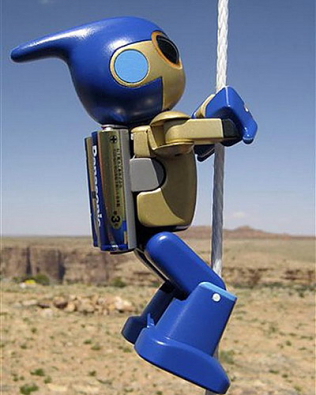
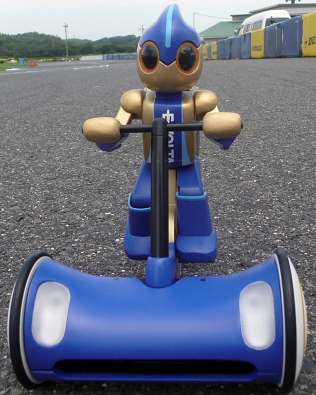
Evolta robot at Grand Canyon (2008) // Evolta robot at Le Mans (2009)
The current and previous versions of the humanoid were created by renowned roboticist Tomotaka Takahashi, founder of Kyoto University's Robo-Garage. The new robot features a hamster wheel-like design to facilitate movement over uneven surfaces, as well as a handcart that holds batteries. The batteries will be recharged once per day throughout the course of the journey.
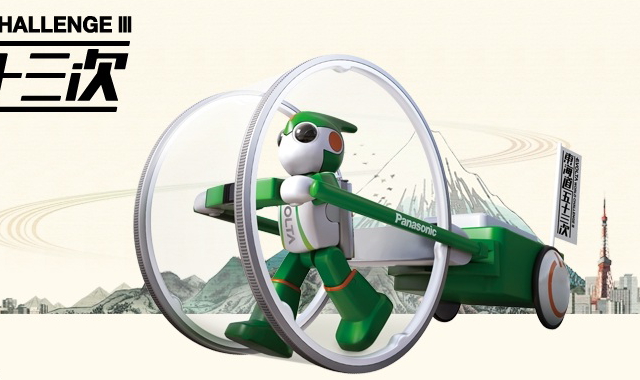
Artist rendition of Evolta robot on Tōkaidō Road (2010)
The 500-kilometer (300-mi) Tōkaidō Road, which runs between Nihonbashi bridge in Tokyo and Sanjō Ōhashi bridge in Kyoto, served as Japan's most important transport artery during the Edo period. During its heyday in the 17th to 19th centuries, the road was one of the busiest highways in the world. In those days, it typically took travelers about 10 to 12 days to walk the route, weather permitting.
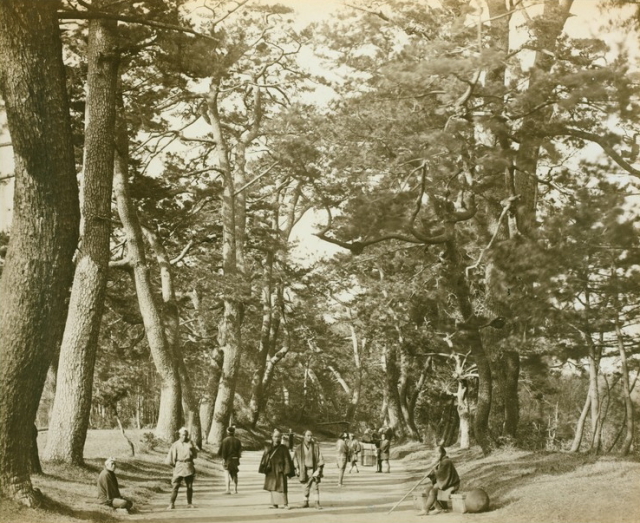
Tōkaidō Road photographed by Felice Beato in 1865
In the 17th century, the Tokugawa shogunate set up 53 post stations along the route, where travelers could find food, shelter and other services. These stations are perhaps best known through "The Fifty-Three Stations of the Tōkaidō" series of woodblock prints by the great ukiyo-e artist Utagawa Hiroshige, who first traveled the route in 1832.
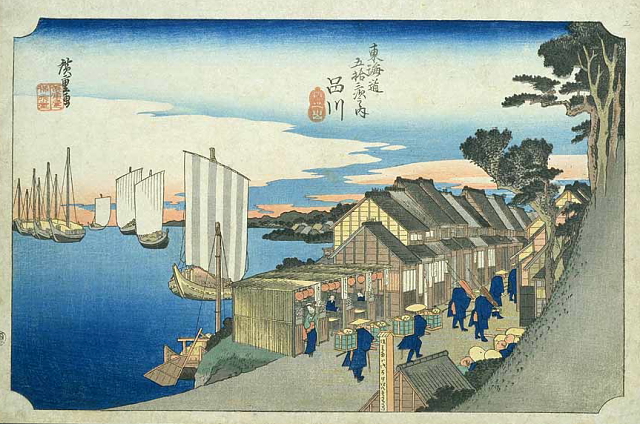
Shinagawa, the first station on the Tōkaidō Road (print by Hiroshige)
The landscape has changed a great deal since then, and many of the old post stations have developed into towns and cities. The Evolta robot plans to pass through at least one station per day during the trek.
All of the action is being broadcast live on Ustream (morning to afternoon, Japan time).
The robot will also be tweeting its progress (in Japanese) at @evoltatoukaidou.
[Link: Evolta World Challenge III]
This video -- directed by Kousuke Sugimoto, with music by Takayuki Manabe -- was created in celebration of the 100th issue of IdN magazine.
+ Video


